
Managing Cholesterol Levels Through Blood Tests Post-Heart Surgery
Navigating Cholesterol Levels Through Blood Examinations Post-Cardiac Procedure
In the domain of heart wellness supervision, particularly following cardiac procedures, the scrutiny and regulation of cholesterol concentrations play a crucial part in guaranteeing enduring patient prosperity. Cholesterol, a waxy material found in the bloodstream, is vital for various bodily operations but can pose substantial health hazards when present in excessive quantities. This discourse jumps into the critical importance of scrutinizing cholesterol concentrations post-cardiac procedure, explores the function of blood examinations in this process, and discusses effective approaches for sustaining healthy cholesterol concentrations. By grasping the intricacies of cholesterol supervision, patients and healthcare experts can collaborate to enhance cardiovascular wellness and diminish the likelihood of future cardiac incidents.
The Weight of Cholesterol Supervision Post-Cardiac Procedure
Following cardiac procedures, the supervision of cholesterol concentrations becomes an even more vital aspect of a patient’s overall care strategy. Surgery, while often life-preserving, can induce a state of metabolic strain in the body, potentially influencing lipid profiles. Moreover, the underlying conditions that necessitated cardiac surgery, such as coronary artery disease, are often closely linked to cholesterol imbalances. Therefore, vigilant scrutiny and supervision of cholesterol concentrations are essential not only for the immediate post-operative recovery but also for enduring cardiovascular wellness and the prevention of future cardiac complications.
Cholesterol plays a multifaceted role in cardiovascular health. While it is necessary for the production of hormones and cell membranes, elevated levels of certain types of cholesterol, particularly low-density lipoprotein (LDL) cholesterol, can contribute to the formation of arterial plaques. These plaques can narrow blood vessels, impeding blood flow and increasing the risk of heart attacks and strokes. Conversely, high-density lipoprotein (HDL) cholesterol plays a protective role by helping to remove excess cholesterol from the bloodstream. Understanding this delicate balance is crucial for effective post-surgical cholesterol supervision.

The Function of Blood Examinations in Cholesterol Scrutiny
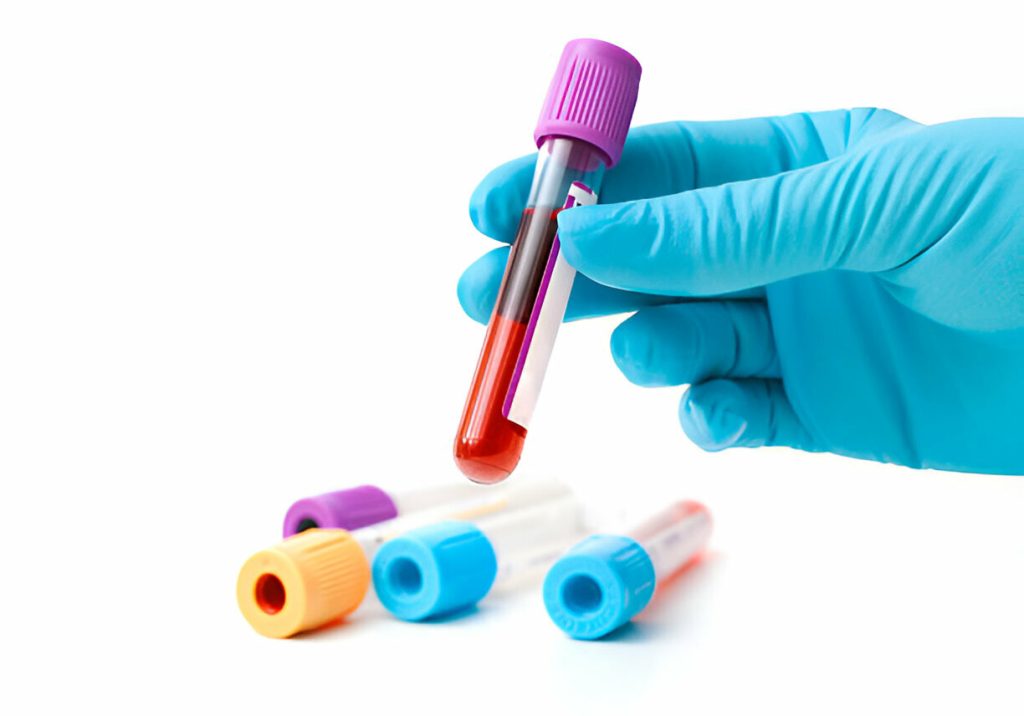
Blood examinations serve as the primary instrument for evaluating and scrutinizing cholesterol concentrations in post-cardiac procedure patients. These examinations, typically part of a comprehensive lipid panel, provide detailed information about various components of the lipid profile, including total cholesterol, LDL cholesterol, HDL cholesterol, and triglycerides. The accuracy and specificity of these examinations allow healthcare experts to make informed decisions about treatment strategies and to track the effectiveness of interventions over time.
One of the key advantages of blood examinations in cholesterol scrutiny is their ability to provide a quantitative assessment of lipid levels. This numerical data allows for precise tracking of changes in cholesterol concentrations, enabling healthcare experts to identify trends and make timely adjustments to treatment plans. Additionally, regular blood examinations can help detect any unexpected fluctuations in cholesterol concentrations that may indicate underlying health issues or medication-related effects.
Decoding Cholesterol Examination Outcomes
The interpretation of cholesterol examination outcomes requires a nuanced understanding of various lipid parameters and their implications for cardiovascular health. Total cholesterol, while important, does not provide a complete picture of cardiovascular risk. Instead, healthcare experts focus on the balance between LDL and HDL cholesterol concentrations, as well as triglyceride levels. Generally, lower LDL cholesterol concentrations and higher HDL cholesterol concentrations are associated with reduced cardiovascular risk.
However, interpreting these outcomes in the context of post-cardiac procedure patients requires additional considerations. Factors such as the patient’s overall health status, the presence of other risk factors, and the specific type of cardiac surgery undergone can all influence the interpretation of cholesterol examination outcomes. Moreover, recent research has highlighted the importance of considering particle size and number, particularly for LDL cholesterol, as these factors can provide additional insights into cardiovascular risk beyond simple concentration measurements.

Approaches for Sustaining Healthy Cholesterol Concentrations
Sustaining healthy cholesterol concentrations post-cardiac procedure involves a multifaceted approach that combines lifestyle modifications, dietary changes, and, in many cases, pharmacological interventions. Lifestyle modifications play a crucial role in cholesterol supervision. Regular physical activity, tailored to the patient’s post-surgical capabilities and guided by healthcare experts, can help improve lipid profiles by increasing HDL cholesterol concentrations and potentially lowering LDL cholesterol. Additionally, achieving and maintaining a healthy body weight can positively impact overall cholesterol concentrations.
Dietary interventions are another cornerstone of cholesterol supervision. A heart-healthy diet, typically low in saturated and trans fats and rich in fruits, vegetables, whole grains, and lean proteins, can significantly impact cholesterol concentrations. Specific dietary components, such as soluble fiber and plant sterols, have been shown to have cholesterol-lowering effects. Nutritional counseling, often provided as part of comprehensive post-cardiac procedure care, can help patients navigate dietary choices to optimize their cholesterol concentrations.
For many patients, lifestyle and dietary changes alone may not be sufficient to achieve target cholesterol concentrations, particularly in the context of established cardiovascular disease. In such cases, pharmacological interventions play a crucial role. Statins, a class of medications that inhibit cholesterol synthesis in the liver, are often the first-line treatment for lowering LDL cholesterol. Other medications, such as ezetimibe, bile acid sequestrants, and PCSK9 inhibitors, may be used alone or in combination with statins to achieve optimal lipid control.

The Significance of Individualized Treatment Strategies
While general guidelines exist for cholesterol supervision, the approach to managing cholesterol concentrations in post-cardiac procedure patients must be individualized. Factors such as the patient’s age, overall health status, specific cardiac condition, and personal preferences all play a role in determining the most appropriate management strategy. Regular follow-up appointments and blood examinations allow healthcare experts to assess the effectiveness of the chosen approach and make necessary adjustments over time.
Moreover, the psychological aspects of cholesterol supervision should not be overlooked. For many patients, adapting to lifestyle changes and adhering to medication regimens can be challenging. Patient education and support are crucial components of successful cholesterol supervision. Healthcare experts should work closely with patients to address any concerns, provide motivation, and ensure a clear understanding of the importance of cholesterol control in maintaining long-term cardiovascular health.
Emerging Trends in Cholesterol Supervision
The field of cholesterol supervision is continually evolving, with new research providing insights into more targeted and personalized approaches. Recent advances in genetic testing have opened up possibilities for identifying individuals at higher risk for cholesterol-related cardiovascular issues, potentially allowing for earlier and more aggressive interventions. Additionally, new classes of medications, such as PCSK9 inhibitors, have shown promise in providing additional options for patients who do not achieve adequate cholesterol control with traditional therapies.
Furthermore, there is growing interest in the role of inflammation in cardiovascular disease, leading to investigations into therapies that target both cholesterol concentrations and inflammatory processes. This holistic approach to cardiovascular risk management may lead to more comprehensive strategies for post-cardiac procedure patients, addressing multiple risk factors simultaneously.
The Role of Technology in Cholesterol Scrutiny
Advancements in technology are also playing an increasingly important role in cholesterol supervision. Wearable devices and smartphone applications can help patients track dietary intake, physical activity, and even provide reminders for medication adherence. Some devices are now capable of providing real-time feedback on various health parameters, potentially allowing for more dynamic and responsive cholesterol supervision strategies.
Telemedicine platforms have also emerged as valuable tools, especially in the context of long-term follow-up care for post-cardiac procedure patients. These platforms can facilitate regular check-ins with healthcare experts, allowing for timely adjustments to treatment plans without the need for frequent in-person visits. This can be particularly beneficial for patients who live far from specialized cardiac care centers or have mobility issues.

Navigating cholesterol concentrations through blood examinations post-cardiac procedure is a critical component of comprehensive cardiovascular care. By leveraging the detailed information provided by blood examinations, healthcare experts can develop tailored strategies to optimize cholesterol concentrations and reduce the risk of future cardiac incidents. The combination of lifestyle modifications, dietary interventions, and, when necessary, pharmacological treatments offers a powerful toolkit for cholesterol supervision.
As our understanding of cholesterol’s role in cardiovascular health continues to evolve, so too will our approaches to its supervision. The integration of new technologies, personalized medicine, and a holistic view of cardiovascular risk factors promises to further refine and improve cholesterol supervision strategies for post-cardiac procedure patients.
For those seeking comprehensive support and expert guidance in managing cholesterol concentrations and overall cardiovascular health post-cardiac procedure, Heart And Mind Clinics stand as an invaluable resource. This dedicated service offers personalized care plans, advanced blood testing facilities, and access to a team of specialists well-versed in the latest cholesterol supervision strategies. Whether you’re navigating the complexities of post-surgical recovery or looking to optimize your long-term cardiovascular health, Heart And Mind Clinics provide the expertise and support needed to achieve your health goals. With a focus on patient education, cutting-edge treatments, and individualized care, Heart And Mind Clinics are the go-to service for all aspects of cholesterol supervision and cardiovascular wellness.