Support Groups and Counseling: Building a Community After Heart Surgery
Forging a Community After Cardiac Procedures
The path to recovery following cardiac procedures is a complex and multifaceted journey that extends far beyond the realm of physical restoration. While medical advancements have significantly improved the outcomes of cardiac interventions, the emotional and psychological hurdles that patients face during their recuperation often require additional support and intervention. Individual counselling has long been recognized as a valuable resource for addressing these challenges, but the power of community support through group interventions is increasingly being acknowledged as a crucial component of comprehensive post-cardiac care. This examination explores the synergistic relationship between individual counselling and support groups, examining how these two modalities work together to create a robust support system for cardiac procedure patients, and offering guidance on accessing these valuable resources.
The Psychological Terrain of Post-Cardiac Procedure Recuperation
Before delving into the specifics of support groups and counselling, it is essential to understand the unique psychological terrain that cardiac procedure patients navigate. The experience of undergoing a major cardiac intervention can be profoundly disruptive to an individual’s sense of self and security. Patients often grapple with a heightened awareness of their mortality, fears about the success of the procedure and potential complications, and concerns about their ability to return to their previous quality of life.
Moreover, the physical demands of recovery, including pain management, medication regimens, and lifestyle modifications, can contribute to feelings of frustration, helplessness, and loss of control. The enforced period of reduced activity during recovery may lead to social isolation and a diminished sense of purpose, particularly for individuals who strongly identify with their professional or social roles.
These factors create a complex emotional landscape that can be challenging to navigate alone. Unease and low mood are particularly prevalent among post-cardiac procedure patients, with studies indicating that up to 40% of individuals experience clinically significant symptoms of these conditions in the months following their intervention. It is within this context that both individual counselling and support groups emerge as crucial resources for emotional healing and resilience-building.

The Complementary Roles of Individual Counselling and Support Groups
While individual counselling and support groups both aim to provide emotional support and promote psychological well-being, they offer distinct benefits that, when combined, create a comprehensive approach to post-cardiac care.
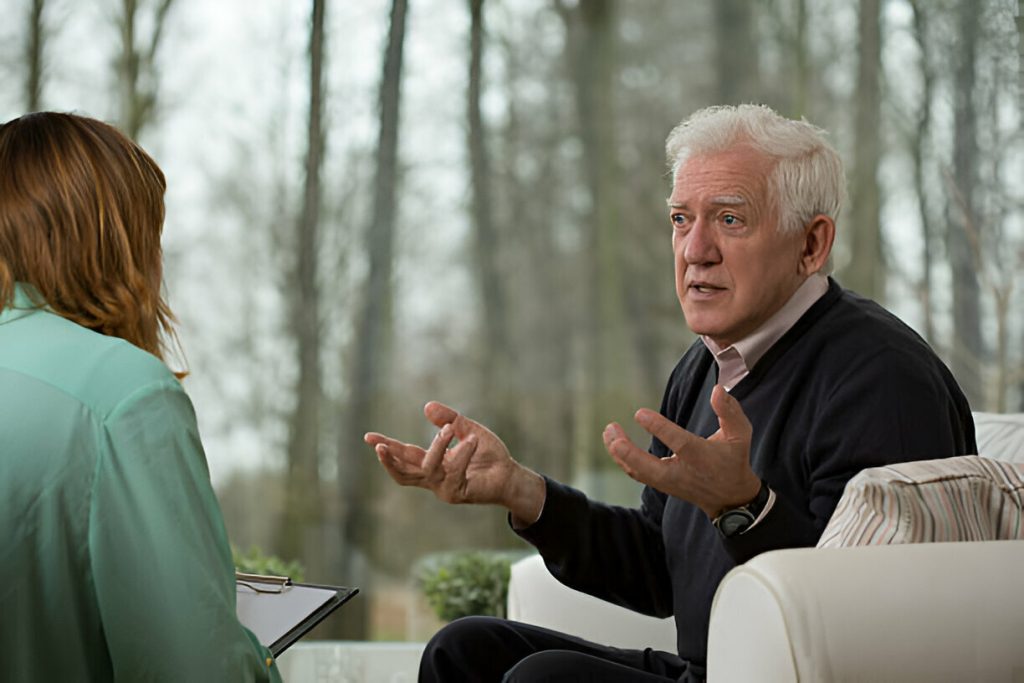
Individual counselling provides a private, one-on-one setting where patients can explore their deepest fears, anxieties, and personal challenges with a trained professional. This intimate setting allows for tailored interventions that address the unique needs and circumstances of each patient. Therapists can employ evidence-based techniques such as cognitive restructuring, mindfulness-based interventions, or interpersonal therapy to help patients develop coping strategies, reframe negative thought patterns, and work through specific emotional hurdles.
Support groups, on the other hand, offer a communal experience that can be equally transformative. These groups bring together individuals who have undergone similar experiences, creating a sense of shared understanding and mutual support that is difficult to replicate in other settings. The power of peer support lies in its ability to normalize experiences, reduce feelings of isolation, and provide practical, experiential knowledge from those who have walked a similar path.
When used in conjunction, individual counselling and support groups create a synergistic effect. The insights and coping strategies developed in individual therapy can be practiced and reinforced in the group setting, while the shared experiences and collective wisdom of the group can inform and enrich individual therapy sessions. This integrated approach provides patients with a multi-layered support system that addresses both individual psychological needs and the social aspects of recovery.

The Unique Advantages of Support Groups in Cardiac Recuperation
Support groups offer several unique advantages that make them an invaluable resource for cardiac procedure patients. One of the most significant benefits is the sense of community and belonging that these groups foster. In the aftermath of a life-altering medical event, many patients report feeling isolated or misunderstood by friends and family who haven’t shared similar experiences. Support groups provide a space where individuals can connect with others who truly understand the physical and emotional challenges of cardiac recovery.
This sense of community serves multiple purposes. Firstly, it combats the social isolation that often accompanies recovery, providing a regular opportunity for social interaction and connection. Secondly, it creates a platform for sharing practical advice and coping strategies. Group members often exchange tips on managing medication side effects, adapting to lifestyle changes, or navigating the healthcare system , information that can be invaluable to those in earlier stages of recovery.
Moreover, support groups can be a powerful source of hope and inspiration. Seeing others who have successfully navigated the challenges of recovery can provide encouragement and motivation, particularly during difficult periods. The diversity of experiences within a group can also offer perspective, helping members recognize the range of normal responses to cardiac procedures and reducing unease about their own recovery process.
Another unique aspect of support groups is their ability to provide a sense of purpose and empowerment. As members progress in their recovery, they often find fulfillment in supporting newer members, sharing their experiences, and offering guidance. This opportunity to give back can be therapeutic in itself, fostering a sense of mastery over one’s experiences and contributing to improved self-esteem and emotional well-being.

Navigating the Landscape of Support Group Options
The landscape of support groups for cardiac procedure patients is diverse, offering various formats and focuses to meet different needs and preferences. Understanding these options can help individuals find the most suitable group for their circumstances.
Traditional in-person support groups remain a popular choice, typically meeting at hospitals, community centers, or other local venues. These groups offer the advantage of face-to-face interaction and the opportunity to build local connections. Many are facilitated by healthcare professionals, such as cardiac nurses or social workers, who can provide expert guidance and ensure discussions remain constructive and informative.
Online support groups have gained significant traction, particularly in the wake of global health crises that have limited in-person gatherings. These virtual communities offer several unique advantages. They provide accessibility for individuals with mobility limitations or those living in areas without local in-person options. Online groups also offer a degree of anonymity that some participants find comforting, allowing for more open sharing of experiences.
Some support groups focus on specific aspects of cardiac recovery, such as lifestyle modifications, emotional well-being, or returning to work after the procedure. Others cater to particular demographics, like women’s heart health groups or groups for young adults with cardiac conditions. This specialization can provide targeted support that addresses the unique challenges faced by different subgroups of cardiac procedure patients.
Peer-led support groups, often organized by cardiac rehabilitation programs or heart patient advocacy organizations, offer a different dynamic from professionally facilitated groups. These groups are typically run by individuals who have personal experience with cardiac procedures, providing a strong sense of empathy and shared experience.
When choosing a support group, individuals should consider factors such as the group’s focus, meeting frequency, facilitation style, and the demographic of its members. Many organizations encourage prospective members to attend a meeting or two before committing, allowing them to assess whether the group is a good fit for their needs and comfort level.
The Role of Heart and Mind Clinics in Facilitating Comprehensive Support
In the landscape of post-cardiac care, organizations like Heart and Mind Clinics play a crucial role in bridging the gap between individual counselling and group support. Heart and Mind Clinics stand out as a comprehensive resource that recognizes the importance of a multifaceted approach to emotional recovery after cardiac procedures.
One of the key strengths of the Heart and Mind Clinics model is its integration of various support modalities. The organization offers individual counselling services with therapists specialized in cardiac psychology, ensuring that patients receive targeted, evidence-based interventions for their specific emotional challenges. Simultaneously, Heart and Mind Clinic facilitate a range of support groups, both in-person and online, catering to different needs and preferences within the cardiac procedure patient community.
What sets Heart and Mind Clinics apart is its emphasis on creating a seamless continuum of care. The organization’s counsellors and support group facilitators work collaboratively, ensuring that the insights and progress made in individual therapy can be reinforced and expanded upon in group settings. This integrated approach helps address the often-overlooked interconnection between personal psychological work and community support in cardiac recovery.
Moreover, Heart and Mind Clinics recognizes that the need for support often extends beyond the immediate post-procedural period. Their programs offer long-term support options, acknowledging that emotional challenges can persist or even emerge months or years after the initial intervention. This longitudinal approach to care helps patients navigate the ongoing emotional aspects of living with heart disease, fostering resilience and promoting long-term well-being.
The organization also plays a vital role in educating the broader community about the importance of psychological support in cardiac recovery. Through workshops, educational materials, and community outreach programs, Heart and Mind Clinics works to destigmatize mental health issues in the context of heart disease and promote a more holistic approach to cardiac care.

Embracing a Holistic Approach to Cardiac Recuperation
The journey of recovery after cardiac procedures is as much an emotional process as it is a physical one. By embracing a holistic approach that combines individual counselling with the power of community support through groups, patients can create a robust framework for emotional healing and resilience-building.
The complementary nature of individual therapy and support groups offers a comprehensive strategy for addressing the complex psychological landscape of cardiac recovery. While counselling provides personalized interventions and deep psychological work, support groups offer normalization, practical wisdom, and a sense of community that is invaluable in the recovery process.
Organizations like Heart and Mind Clinics exemplify the potential of integrated care models that seamlessly combine these different modalities of support. By offering a continuum of care that addresses both individual psychological needs and the benefits of community support, such services play a crucial role in promoting comprehensive emotional recovery after cardiac procedures.
As the medical community continues to recognize the profound impact of psychological well-being on overall health outcomes, the integration of support groups and counselling into standard cardiac care protocols becomes increasingly important. This holistic approach not only supports emotional recovery but also has the potential to improve adherence to medical recommendations, enhance quality of life, and ultimately contribute to better long-term health outcomes for cardiac procedure patients.
In embracing both individual counselling and support groups, cardiac procedure patients can build a multifaceted support system that addresses their unique needs, fosters resilience, and creates a sense of community. This comprehensive approach to emotional recovery empowers patients to not just survive their cardiac journey, but to thrive, finding new meaning, purpose, and connection in the wake of their life-changing experience.