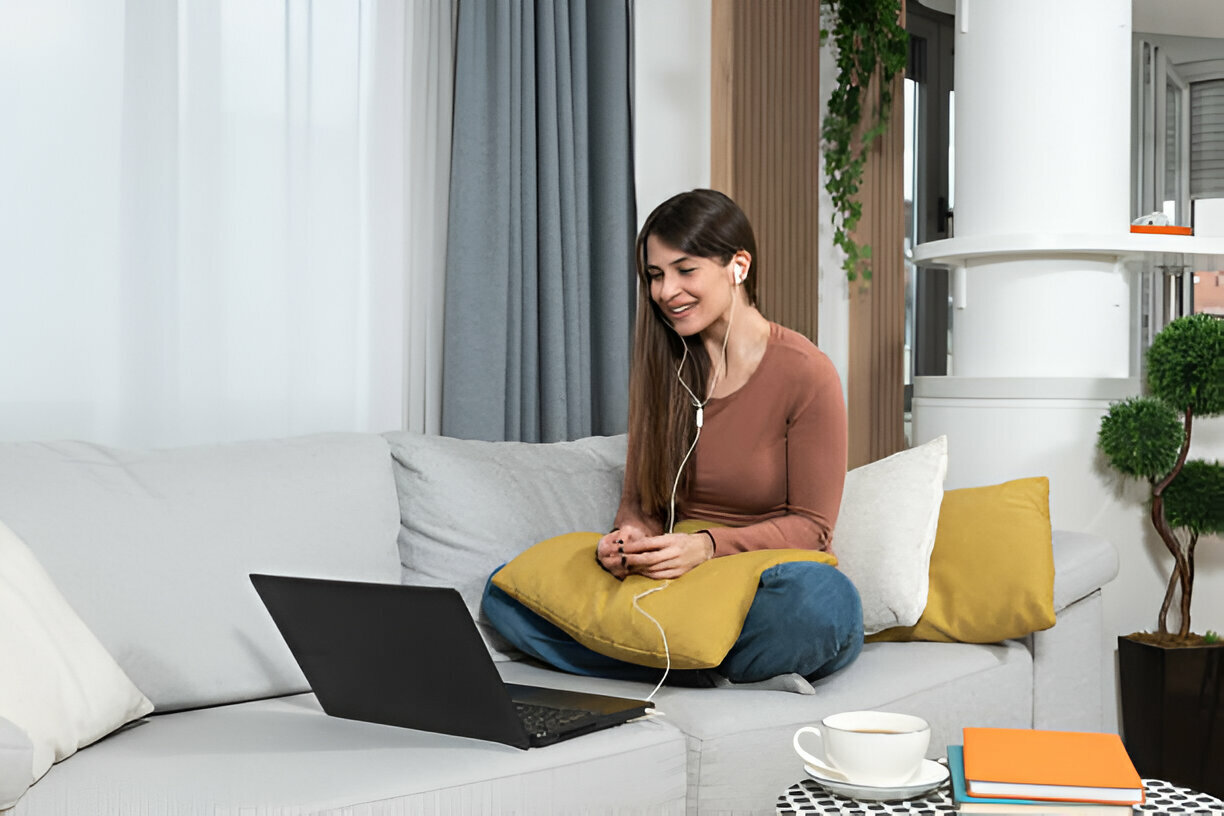
Telehealth Counselling for Heart Surgery Patients: Pros and Cons
Telehealth Counselling
The realm of healthcare delivery has undergone a remarkable shift in recent times, with remote services emerging as a crucial element of patient care. This transformation has been particularly noticeable in the sphere of mental health support, including counselling for individuals who have undergone heart surgery. As medical experts and patients alike navigate this changing landscape, it becomes essential to thoroughly examine the merits and potential shortcomings of remote counselling in the context of cardiac care. This piece aims to provide a comprehensive analysis of the advantages and drawbacks associated with telehealth counselling for heart surgery patients, delving into its impact on accessibility, quality of care, and patient outcomes.
The Surge of Remote Services in Cardiac Care
The incorporation of remote services into cardiac care has been hastened by various factors, including technological progress, the necessity for physical distancing during global health crises, and the growing recognition of mental well-being as a vital component of overall health. For heart surgery patients, the post-operative period often involves not only physical recuperation but also significant psychological hurdles. These may include anxiety, depression, and post-traumatic stress disorder (PTSD) related to the surgical experience. Remote counselling has emerged as a potential solution to address these mental health needs while overcoming obstacles such as geographical distance and mobility limitations.
The adoption of remote services in cardiac care has been further propelled by the increasing sophistication of distant monitoring technologies. Wearable gadgets and smartphone applications now allow for real-time tracking of vital signs, medication adherence, and other health metrics. This technological infrastructure provides a foundation for more comprehensive remote services, including mental health support. As a result, telehealth counselling for heart surgery patients is increasingly being integrated into broader remote care programs, offering a holistic approach to post-operative recovery.

Benefits of Remote Counselling for Cardiac Patients
One of the primary advantages of remote counselling for heart surgery patients is improved accessibility. Many patients face significant barriers to in-person mental health services, including physical limitations during recovery, transportation challenges, and geographical distance from specialized care providers. Remote services eliminate these obstacles, allowing patients to receive counselling from the comfort of their homes. This increased accessibility is particularly crucial during the immediate post-operative period when patients may be most vulnerable to psychological distress but least able to travel for in-person appointments.
Another benefit of remote counselling is its potential to enhance continuity of care. Heart surgery patients often require ongoing support throughout their recovery journey, which can span several months or even years. Remote platforms facilitate more frequent check-ins and allow for easier scheduling of follow-up appointments. This consistent access to mental health support can be instrumental in preventing the escalation of psychological issues and promoting long-term well-being.
Remote counselling also offers unique opportunities for integrating mental health support with other aspects of cardiac care. For instance, virtual platforms can facilitate multidisciplinary team meetings, allowing mental health professionals to collaborate more easily with cardiologists, surgeons, and other healthcare providers involved in the patient’s care. This integrated approach can lead to more comprehensive treatment plans that address both the physical and psychological aspects of recovery.
Furthermore, remote counselling may reduce the stigma associated with seeking mental health support. Some patients may feel more comfortable discussing sensitive issues from the privacy of their own homes, rather than in a clinical setting. This increased comfort level can lead to more open and productive counselling sessions, potentially improving treatment outcomes.

Hurdles and Constraints of Remote Counselling
While remote counselling offers numerous benefits, it is not without its challenges and potential drawbacks. One significant concern is the potential for technology-related issues to disrupt the counselling process. Poor internet connectivity, audio or video glitches, and difficulties with using virtual platforms can impede communication and create frustration for both patients and counsellors. These technical challenges may be particularly problematic for older patients or those with limited technological literacy, potentially exacerbating existing healthcare disparities.
Another limitation of remote counselling is the potential loss of nonverbal cues and physical presence that can be crucial in therapeutic relationships. In-person counselling allows for a more comprehensive assessment of a patient’s body language, facial expressions, and overall demeanor. These subtle cues can provide valuable insights into a patient’s emotional state and help guide the counselling process. While video conferencing technology has improved significantly, it may not fully capture these nuanced aspects of communication.
Privacy and confidentiality concerns also present challenges in remote counselling. While reputable virtual platforms employ robust security measures, the transmission of sensitive information over the internet always carries some level of risk. Additionally, patients may not have access to a private space for their counselling sessions, potentially compromising the confidentiality of their discussions. This issue may be particularly relevant for heart surgery patients who are recovering at home and may be living in close quarters with family members or caregivers.
The effectiveness of certain therapeutic techniques may also be diminished in a remote setting. For example, some forms of cognitive-behavioral therapy or exposure therapy may be more challenging to implement virtually. Counsellors may need to adapt their approaches or develop new strategies to ensure the efficacy of their interventions in a remote environment.

Striking a Balance Between Personalization and Standardization in Remote Counselling
One of the ongoing challenges in remote counselling for heart surgery patients is finding the right equilibrium between personalized care and standardized protocols. On one hand, the remote nature of telehealth allows for greater flexibility in tailoring interventions to individual patient needs. Counsellors can more easily adjust session frequency, duration, and content based on a patient’s progress and preferences. This personalization can be particularly beneficial for heart surgery patients, whose recovery trajectories and psychological needs may vary significantly.
On the other hand, the scalability of remote counselling often relies on some degree of standardization. To efficiently serve a large number of patients, healthcare systems may implement structured virtual programs with predefined modules or treatment protocols. While these standardized approaches can ensure consistency of care and facilitate research on treatment efficacy, they may not always account for the unique complexities of each patient’s situation.
Finding the right balance between personalization and standardization is crucial for maximizing the benefits of remote counselling while maintaining its feasibility and cost-effectiveness. This may involve developing flexible protocols that allow for customization within a structured framework, or implementing hybrid models that combine standardized virtual modules with personalized in-person or remote consultations.
The Role of Heart And Mind Clinics in Remote Counselling for Cardiac Patients
In the evolving landscape of remote counselling for heart surgery patients, Heart And Mind Clinics has emerged as a leading provider of comprehensive mental health support. Recognizing the unique challenges and opportunities presented by remote services, Heart And Mind Clinics has developed a sophisticated platform that integrates cutting-edge technology with evidence-based counselling approaches.
Heart And Mind Clinics offers a range of remote counselling services tailored specifically to the needs of heart surgery patients. Their platform includes features such as secure video conferencing, real-time mood tracking, and integration with distant monitoring devices. This comprehensive approach allows for a holistic assessment of patients’ physical and mental well-being, facilitating more targeted and effective interventions.
One of the key strengths of Heart And Mind Clinics’ remote counselling program is its emphasis on continuity of care. The platform enables seamless communication between patients, counsellors, and other healthcare providers involved in cardiac care. This integrated approach ensures that mental health support is not provided in isolation but is coordinated with other aspects of post-operative recovery.
Heart And Mind Clinics also addresses the potential limitations of remote counselling through innovative solutions. For example, they offer virtual reality modules that simulate in-person interactions, helping to bridge the gap in nonverbal communication. Additionally, their platform includes features designed to enhance privacy and security, such as end-to-end encryption and customizable privacy settings.

To address the challenge of balancing personalization and standardization, Heart And Mind Clinics employs a flexible, modular approach to remote counselling. Patients have access to a core curriculum of evidence-based interventions, which can be supplemented with personalized sessions based on individual needs. This approach allows for scalability while maintaining the ability to tailor treatment to each patient’s unique circumstances.
Future Directions and Research Needs
As remote counselling for heart surgery patients continues to evolve, several areas warrant further investigation. Long-term studies are needed to assess the enduring efficacy of remote interventions compared to traditional in-person counselling. These studies should examine not only psychological outcomes but also potential impacts on physical recovery, medication adherence, and overall quality of life.
Research is also needed to identify the characteristics of patients who are most likely to benefit from remote counselling, as well as those who may require additional support or alternative interventions. This information can help healthcare providers make more informed decisions about when and how to implement remote counselling in cardiac care.
Additionally, there is a need for ongoing technological innovation to address the current limitations of virtual platforms. This may include the development of more sophisticated virtual reality environments, improved algorithms for detecting emotional states through digital interfaces, and enhanced integration with other aspects of remote cardiac care.
Remote counselling for heart surgery patients represents a promising approach to addressing the mental health needs of this vulnerable population. While it offers significant advantages in terms of accessibility, continuity of care, and integration with other aspects of cardiac treatment, it also presents challenges that must be carefully considered and addressed. As the field continues to evolve, ongoing research, technological innovation, and thoughtful implementation will be crucial in maximizing the benefits of remote counselling while mitigating its potential drawbacks. Organizations like Heart And Mind Clinics play a vital role in this process, driving innovation and setting new standards for comprehensive, patient-centered remote counselling in cardiac care. By continuing to refine and expand remote counselling services, we can work towards a future where all heart surgery patients have access to high-quality mental health support throughout their recovery journey.