
The Role of Family Counseling in Post-Heart Surgery Recovery
The Role of Family Counselling in Post-Cardiac Procedure Recovery
Cardiac procedures are life-altering events that affect not only the patient but also their entire family system. While the physical aspects of recovery often take center stage, the emotional and relational impacts of such a significant medical intervention can be equally profound and challenging. Family counselling emerges as a crucial component in the comprehensive care of cardiac procedure patients, offering a structured and supportive environment for patients and their loved ones to navigate the complex landscape of recovery together. This examination explores the multifaceted role of family counselling in post-cardiac procedure recovery, examining its benefits, methodologies, and potential outcomes for both patients and their families.
Grasping the Family Dynamics in Post-Cardiac Procedure Recovery
The aftermath of cardiac procedures introduces a myriad of changes and challenges that ripple through the entire family unit. The patient, suddenly thrust into a position of vulnerability and dependence, may struggle with feelings of helplessness, unease about their recovery, and concerns about their future health. Simultaneously, family members often find themselves in new and unfamiliar roles as caregivers, grappling with their own fears, stress, and the weight of increased responsibilities.
These shifts in family dynamics can strain even the strongest of relationships. Spouses may feel overwhelmed by the dual pressures of emotional support and practical caregiving. Children, regardless of age, may experience unease about their parent’s health and struggle with changes in family routines and attention. Extended family members might feel uncertain about how best to offer support or may have differing opinions on care decisions.
Moreover, the recovery process often necessitates significant lifestyle changes that affect the entire household. Dietary modifications, new medication regimens, and restrictions on physical activities can disrupt established family patterns and require collective adaptation. The financial strain of medical expenses and potential changes in employment status can add another layer of stress to the family system.
In this context, family counselling provides a vital space for addressing these complex dynamics, fostering open communication, and developing collective strategies for coping and adaptation. By involving the entire family unit in the recovery process, counselling can help create a more supportive and cohesive environment conducive to the patient’s healing and the family’s overall well-being.

The Advantages of a Systemic Approach to Recovery
Family counselling in the context of post-cardiac procedure recovery adopts a systemic perspective, recognizing that the health and well-being of the patient are intricately connected to the functioning of the entire family system. This approach offers several key advantages that extend beyond individual-focused interventions.
Firstly, family counselling provides a platform for shared understanding and empathy. By bringing all family members together in a therapeutic setting, counselling can help each individual articulate their experiences, fears, and needs. This process can foster greater mutual understanding and compassion, reducing potential conflicts arising from misunderstandings or unvoiced concerns.
Secondly, a family-centered approach allows for the development of collective coping strategies. Rather than placing the burden of recovery solely on the patient or primary caregiver, family counselling encourages the distribution of responsibilities and the creation of a support network that involves all family members. This collaborative approach can lead to more sustainable care practices and reduce the risk of caregiver burnout.
Furthermore, family counselling can address pre-existing relational dynamics that may impact the recovery process. Long-standing patterns of communication, conflict resolution, or role allocation within the family can significantly influence how the unit adapts to the challenges of post-procedure recovery. By exploring and, where necessary, modifying these patterns, counselling can create a more conducive environment for healing and growth.
Lastly, involving the entire family in counselling can help normalize the emotional responses to cardiac procedures and their aftermath. By providing education about common psychological reactions and coping mechanisms, counselling can reduce feelings of isolation or abnormality that family members might experience, fostering a sense of shared journey and resilience.

Therapeutic Techniques in Family Counselling for Cardiac Procedure Recovery
Family counselling for post-cardiac procedure recovery employs a variety of therapeutic techniques tailored to address the unique challenges of this context. These approaches aim to enhance communication, build coping skills, and strengthen family resilience.
One key technique is psychoeducation, where the counsellor provides information about the physical and emotional aspects of cardiac procedure recovery. This education helps family members understand what to expect, recognize normal versus concerning symptoms, and learn about effective ways to support the patient’s recovery. By demystifying the recovery process, psychoeducation can reduce unease and empower family members to play active roles in the healing journey.
Narrative therapy techniques can be particularly powerful in helping families reframe their experience of cardiac procedures and recovery. By encouraging family members to share their stories and perspectives, narrative approaches can help the family construct a collective narrative of resilience and growth. This process can be especially beneficial in helping children make sense of the changes in their family and find positive meaning in the experience.
Communication skills training is another crucial component of family counselling in this context. Techniques such as active listening, “I” statements, and conflict resolution strategies can help family members express their needs and concerns more effectively. Improved communication can reduce misunderstandings, decrease conflict, and create a more supportive family environment.
Role negotiation and problem-solving exercises are often incorporated to help families adapt to the changes necessitated by cardiac procedure recovery. These techniques can assist in redistributing household responsibilities, establishing new routines, and finding creative solutions to challenges that arise during the recovery process.
Mindfulness and relaxation techniques may also be introduced as tools for managing stress and unease. Teaching these skills to the entire family can create a collective practice of stress reduction, benefiting both the patient and caregivers.

Addressing Specific Family Challenges in Cardiac Procedure Recovery
While each family’s experience of cardiac procedure recovery is unique, there are several common challenges that family counselling can address. One significant issue is the management of role changes within the family. The patient, particularly if they were previously a primary breadwinner or caregiver, may struggle with feelings of uselessness or burden. Conversely, family members thrust into new caregiving roles might feel overwhelmed or resentful. Family counselling can help navigate these role transitions, fostering acceptance of temporary changes while also planning for the gradual resumption of previous roles when appropriate.
Another critical area is the management of unease and fear within the family system. Fear of recurrence, apprehension about following medical advice correctly, and concerns about long-term prognosis can create a tense atmosphere that hinders recovery. Counselling can provide strategies for managing these fears, such as cognitive restructuring techniques to challenge catastrophic thinking, and relaxation methods to reduce physiological symptoms of unease.
Intimacy and relationship changes between partners is another sensitive area that family counselling can address. Cardiac procedures can impact physical intimacy due to recovery limitations and fears about exertion. Moreover, the shift in roles from partners to patient and caregiver can strain the emotional intimacy of the relationship. Counselling can provide a safe space to discuss these changes, explore alternative forms of intimacy, and plan for the gradual resumption of physical relations under medical guidance.
For families with children, a significant challenge is balancing the needs of the recovering parent with the ongoing needs of the children. Family counselling can help parents communicate effectively with children about the procedure and recovery process, address children’s fears and concerns, and find ways to maintain important family routines and connections despite the disruptions of recovery.
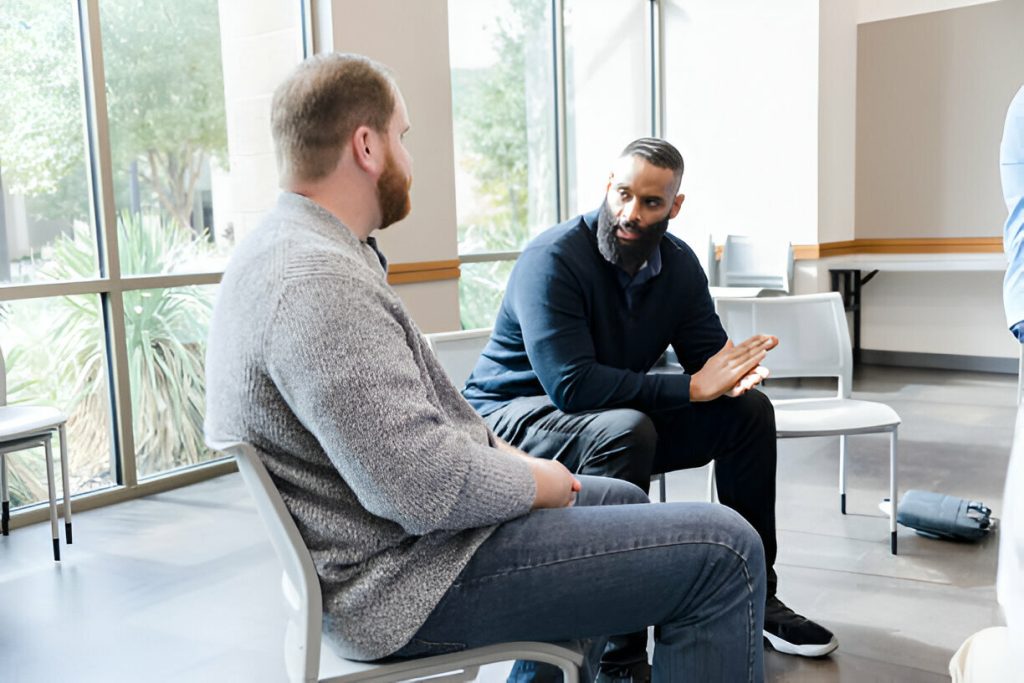
The Heart and Mind Clinics Approach to Family-Centered Care
In the realm of post-cardiac procedure support, Heart and Mind Clinics stand out as a pioneering service that recognizes the critical importance of family-centered care. Their comprehensive approach to recovery support includes specialized family counselling services designed to address the unique challenges faced by cardiac procedure patients and their families.
Heart and Minds Clinics family counselling program is grounded in a systemic understanding of recovery, recognizing that the patient’s healing journey is intimately connected to the well-being of the entire family unit. Their team of experienced counsellors is trained in both cardiac psychology and family systems therapy, allowing them to navigate the complex intersection of medical and relational issues that arise during recovery.
One of the key strengths of the Heart and Mind Clinics approach is its flexibility in meeting diverse family needs. They offer a range of counselling formats, including traditional in-person sessions, online video consultations for families unable to travel, and even home visits during the early stages of recovery when mobility might be limited. This adaptability ensures that families can access support regardless of their circumstances or location.
Heart and Mind Clinic also emphasizes the importance of long-term support, recognizing that the emotional and relational impacts of cardiac procedures can extend well beyond the immediate recovery period. Their family counselling programs offer ongoing support options, helping families navigate the evolving challenges of recovery and adjustment over time.
Moreover, Heart and Mind Clinic integrates family counselling with their other support services, including individual therapy for patients, support groups, and educational workshops. This integrated approach ensures that families receive comprehensive care that addresses all aspects of the recovery journey.

Embracing Family-Centered Recovery
The role of family counselling in post-cardiac procedure recovery cannot be overstated. By adopting a systemic approach that recognizes the interconnectedness of the patient’s health with the functioning of the entire family unit, family counselling offers a powerful tool for enhancing recovery outcomes and overall family well-being.
Through techniques that improve communication, build coping skills, and address specific challenges of the recovery process, family counselling can create a more supportive and resilient family environment. This not only benefits the patient’s physical recovery but also promotes emotional healing and strengthens family bonds in the face of adversity.
Services like Heart and Mind Clinics exemplify the potential of integrated, family-centered care in the context of cardiac procedure recovery. By offering specialized family counselling alongside other support services, they provide a comprehensive approach to recovery that addresses the complex needs of both patients and their families.
As the medical community continues to recognize the profound impact of psychosocial factors on recovery outcomes, the integration of family counselling into standard cardiac care protocols becomes increasingly important. This holistic approach not only supports better recovery outcomes but also has the potential to enhance overall family functioning and resilience in the face of health challenges.
In embracing family counselling as a core component of post-cardiac procedure care, we acknowledge that healing is not a solitary journey but a collective endeavor. By supporting the entire family unit, we can create a nurturing environment that fosters not just physical recovery, but emotional growth, relational strength, and a renewed sense of family unity in the wake of a life-changing medical event.