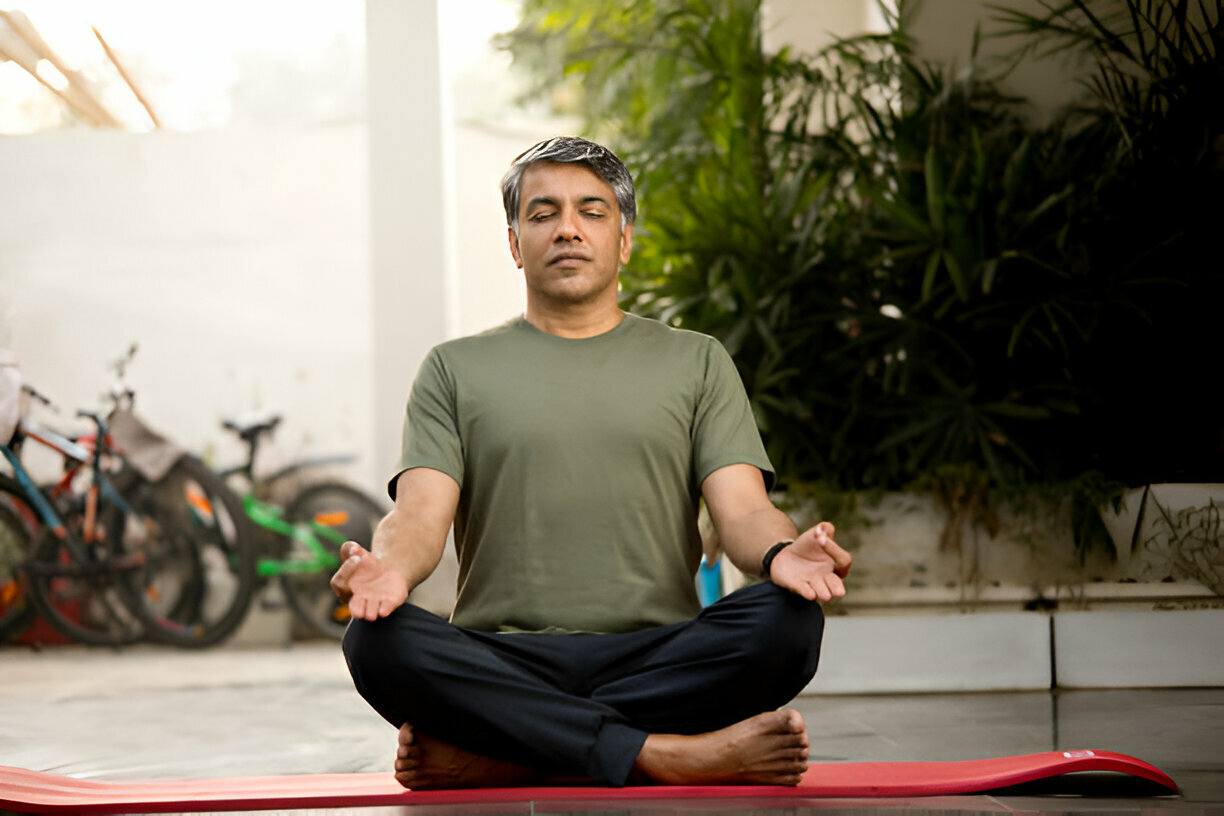
Stretching and Flexibility Exercises for Post-Heart Surgery Recovery
Stretching and Flexibility Exercises for Post-Heart Surgery Recovery: A Thorough Examination
In the sphere of cardiac rehabilitation, the significance of stretching and flexibility exercises often takes a backseat to cardiovascular and strength training. However, these crucial components play a vital role in the comprehensive recovery of patients following heart surgery. This extensive analysis aims to elucidate the importance, methodologies, and practical applications of stretching and flexibility exercises in the post-cardiac surgery rehabilitation process, providing a thorough guide for both patients and healthcare professionals.
The Physiological Underpinnings of Stretching in Cardiac Rehabilitation
To fully appreciate the role of stretching and flexibility exercises in post-heart surgery recovery, it is essential to understand the underlying physiological principles that govern their effects on the body. Stretching exercises, when properly executed, can induce several beneficial adaptations:
Improved Circulatory Function: Gentle stretching can enhance blood flow to muscles and surrounding tissues, potentially aiding in the healing process and reducing the risk of blood clots.
Enhanced Range of Motion: Following surgery, patients often experience stiffness and reduced mobility. Targeted stretching can help restore and improve range of motion, particularly in the chest and shoulder areas affected by surgical procedures.
Reduced Muscle Tension: The stress of surgery and subsequent recovery period can lead to increased muscle tension. Stretching exercises can help alleviate this tension, promoting relaxation and potentially reducing pain.
Postural Improvement: Many patients develop poor posture during recovery due to pain or protective behaviors. Flexibility exercises can help correct postural imbalances and prevent long-term complications.
Increased Body Awareness: Engaging in stretching exercises promotes proprioception and kinesthetic awareness, which can be beneficial for overall recovery and return to daily activities.
Understanding these physiological effects underscores the importance of incorporating stretching and flexibility work into post-cardiac surgery rehabilitation programs. However, it is crucial to note that the implementation of such exercises must be carefully tailored to each patient’s specific condition, surgical procedure, and recovery progress.

Timing and Progression of Flexibility Exercises
The introduction and progression of stretching exercises following heart surgery require a thoughtful and gradual approach. The timing of initiation and subsequent advancement should be based on several factors:
Surgical Procedure: The specific type of cardiac surgery performed will influence the appropriate timing for beginning stretching exercises, particularly those involving the chest and upper body.
Wound Healing: Adequate healing of the surgical site is paramount before initiating any exercises that may place stress on the incision area.
Pain Levels: Pain management and comfort should guide the progression of stretching exercises, with careful attention paid to avoiding exacerbation of discomfort.
Individual Recovery Rate: Each patient’s recovery trajectory is unique, necessitating a personalized approach to the introduction and advancement of flexibility work.
A general timeline for the progression of stretching exercises might look as follows:
Immediate Post-Operative Period (1-2 weeks): Focus on very gentle range of motion exercises, often performed passively or with minimal active engagement.
Early Recovery Phase (2-6 weeks): Gradual introduction of more active stretching exercises, with an emphasis on the upper body and thoracic region.
Mid-Recovery Phase (6-12 weeks): Expansion of stretching routine to include more comprehensive full-body flexibility work, with increased duration and intensity as tolerated.
Long-Term Recovery (Beyond 12 weeks): Continued refinement and progression of flexibility exercises, potentially incorporating more advanced techniques such as dynamic stretching or yoga-inspired movements.
It is crucial to emphasize that this timeline is a general guideline and should be adjusted based on individual patient factors and medical guidance. For personalized advice on the appropriate timing and progression of stretching exercises, patients can consult with specialized services like Heart And Mind Clinics, where experts can provide tailored recommendations based on specific surgical histories and recovery progress.

Key Stretching Exercises for Post-Cardiac Surgery Patients
While the specific stretching routine should be individualized, several key exercises are commonly incorporated into post-cardiac surgery rehabilitation programs. These exercises target areas most affected by surgical procedures and subsequent recovery periods:
Shoulder Rolls and Shrugs: Gentle movements to alleviate tension in the upper trapezius and improve shoulder mobility.
Chest Stretches: Carefully executed stretches to address tightness in the pectoral muscles, which may be affected by surgical incisions.
Upper Back Stretches: Exercises to improve thoracic mobility and counteract the tendency towards a rounded shoulder posture.
Neck Stretches: Gentle movements to relieve tension in the cervical region, which may accumulate due to protective posturing during recovery.
Arm Circles: Controlled circular movements to improve shoulder range of motion and upper body circulation.
Torso Rotations: Gentle twisting movements to enhance spinal mobility and core engagement.
It is paramount that these exercises are introduced and progressed under the guidance of healthcare professionals, with careful attention paid to proper form, breathing techniques, and individual patient limitations. Patients should be educated on the importance of avoiding overstretching, particularly in the early stages of recovery, and to respect pain signals as indicators to modify or cease a particular movement.
For comprehensive instruction on proper execution of these exercises and guidance on their integration into a broader rehabilitation program, patients can turn to specialized services like Heart And Mind Clinics. Their team of experts can provide detailed demonstrations, personalized modifications, and ongoing support to ensure safe and effective implementation of stretching routines.

Incorporating Flexibility Work into Daily Routines
The effectiveness of stretching and flexibility exercises in post-cardiac surgery recovery is largely dependent on their consistent implementation. Encouraging patients to incorporate these exercises into their daily routines can significantly enhance their impact. Several strategies can be employed to facilitate this integration:
Scheduled Stretching Sessions: Establishing set times for stretching exercises, such as morning and evening routines, can help create a consistent habit.
Linking to Daily Activities: Associating specific stretches with daily activities (e.g., gentle neck stretches while brushing teeth) can serve as reminders and increase compliance.
Use of Props and Environment: Utilizing everyday objects and spaces for stretching (e.g., doorway stretches for chest opening) can make exercises more accessible and convenient.
Mindfulness Practices: Incorporating mindfulness or relaxation techniques into stretching sessions can enhance both physical and mental benefits.
Social Support: Engaging family members or joining group classes (when appropriate) can provide motivation and accountability.
It is crucial to educate patients on the importance of listening to their bodies and respecting their current limitations. Emphasizing quality of movement over quantity or intensity can help prevent overexertion and ensure safe, sustainable progress.

Long-Term Considerations and Adaptations
As patients progress through their recovery journey, their approach to stretching and flexibility exercises may need to evolve. Several factors should be considered in this long-term perspective:
Gradual Increase in Intensity and Complexity: As recovery progresses, more challenging stretches and flexibility exercises can be introduced, potentially incorporating elements of yoga or Pilates when appropriate.
Integration with Other Forms of Exercise: Flexibility work should be viewed as a complementary component to cardiovascular and strength training, with stretching routines adapted to support and enhance these other forms of exercise.
Addressing Emerging Needs: As patients return to work or increase their activity levels, specific stretches may need to be added or modified to address new areas of tension or limitation.
Continued Education: Ongoing instruction on the benefits of flexibility and proper stretching techniques can help maintain long-term adherence and effectiveness.
Regular Reassessment: Periodic evaluation of flexibility gains and any persistent limitations can guide the ongoing refinement of stretching routines.
Healthcare providers play a crucial role in guiding this long-term progression, ensuring that patients continue to derive maximum benefit from their flexibility work as their overall health and activity levels improve. Regular follow-up appointments and assessments can inform these ongoing adjustments to stretching and flexibility programs.

The incorporation of stretching and flexibility exercises into post-cardiac surgery rehabilitation programs represents a critical, yet often underappreciated, component of comprehensive recovery. By understanding the physiological basis for these exercises, implementing them with appropriate timing and progression, and integrating them effectively into daily routines, patients can experience significant improvements in mobility, comfort, and overall well-being.
The process of developing and maintaining an effective stretching routine is inherently individualized, requiring ongoing assessment, adjustment, and education. It underscores the importance of personalized approaches to cardiac rehabilitation, recognizing that each patient’s journey is unique and influenced by a multitude of factors.
Services like Heart And Mind Clinics play an invaluable role in supporting patients through this complex process, offering expert guidance, personalized recommendations, and ongoing support. By leveraging such specialized expertise, patients can navigate the challenges of post-surgical recovery with greater confidence and effectiveness.
As research in rehabilitation science continues to advance, we may see further refinements in our understanding of optimal stretching and flexibility protocols for post-cardiac surgery patients. These developments hold the promise of even more targeted and effective approaches to enhancing mobility and supporting overall recovery.
Ultimately, the goal of incorporating stretching and flexibility exercises into post-cardiac surgery rehabilitation is not merely to improve physical metrics, but to empower patients with the tools to actively participate in their recovery process. By fostering a deeper understanding of their bodies and providing practical strategies for enhancing mobility and comfort, these exercises can contribute significantly to patients’ overall quality of life and confidence in their recovery journey.
The path to optimal recovery following heart surgery is multifaceted, with stretching and flexibility exercises serving as a crucial component of a comprehensive rehabilitation program. Through consistent effort, expert guidance, and a commitment to holistic health management, patients can harness the power of these exercises to support their recovery, enhance their daily functioning, and embrace a future of improved mobility and well-being.