The Importance of Counseling After Heart Surgery: Supporting Mental Health
The Significance of Counseling Post-Cardiac Procedure: Nurturing Psychological Wellness
Cardiac procedures represent a transformative experience that profoundly affects patients beyond mere physical dimensions, encompassing emotional and psychological realms. While bodily recuperation often takes center stage, the psychological aspects of post-operative care hold equal importance for comprehensive recovery and optimal healing. This examination jumps into the crucial function of counseling in bolstering cardiac procedure patients throughout their recuperation journey, illuminating the myriad advantages for psychological and emotional equilibrium.
The Psychological Reverberations of Cardiac Procedures
Experiencing a cardiac procedure is a profound event that can trigger a spectrum of intense sentiments. Patients frequently wrestle with trepidation, unease, and ambiguity in the lead-up to the intervention. Following the procedure, many individuals experience a complex amalgam of relief, appreciation, and renewed zest for life. However, this period may also usher in unforeseen emotional hurdles. Some patients report feeling exposed, inundated, or grappling with mortality concerns. Others might face exasperation or impatience with the recuperation process, leading to mood fluctuations or irritability.
The psychological ramifications of cardiac procedures extend beyond the immediate recuperation phase. Many patients undergo a shift in their sense of self and identity. The realization of having a serious health condition can shake one’s perception of invulnerability and prompt existential inquiries. Additionally, lifestyle adjustments necessitated by recovery and ongoing cardiac health management can be psychologically and emotionally taxing. Patients may need to navigate new constraints, recalibrate their roles within family and professional contexts, and redefine their aspirations and objectives.
This emotional landscape underscores the importance of holistic post-operative care that addresses both physical and psychological needs. Counseling provides a crucial support system to help patients process their experiences, cultivate coping mechanisms, and maintain emotional equilibrium throughout their recuperation journey.

Tackling Post-Operative Low Mood and Apprehension
Low mood and apprehension are common yet often overlooked complications following cardiac procedures. Research indicates that up to 40% of cardiac surgery patients experience clinically significant mood disturbances in the weeks and months following their intervention. These psychological challenges can have serious implications for recovery, potentially impacting adherence to medication regimens, participation in cardiac rehabilitation programs, and overall quality of life.
The origins of post-cardiac procedure mood disturbances and apprehension are multifaceted. Physiological factors such as the body’s stress response to surgery, medication side effects, and changes in brain chemistry can contribute to psychological upheaval. Psychological factors also play a significant role. The trauma of a major health event, fear of complications or recurrence, and the challenges of adapting to a “new normal” can all trigger or exacerbate symptoms of low mood and apprehension.
Counselling serves as a crucial intervention for addressing these psychological concerns. Through evidence-based therapeutic approaches such as cognitive restructuring and mindfulness-based stress reduction techniques, patients can develop effective strategies for managing negative thought patterns, reducing apprehension, and improving overall emotional resilience. A skilled counselor can help patients reframe their experiences, set realistic recovery goals, and cultivate a positive outlook that supports both psychological and physical healing.
Moreover, counseling provides a safe space for patients to express and process difficult emotions that they may hesitate to share with family members or medical staff. This emotional outlet can be particularly beneficial for individuals who feel pressure to maintain a brave facade or who worry about burdening their loved ones with their concerns.

Bolstering Adaptation Skills and Emotional Fortitude
Recovery from cardiac procedures is often a non-linear process that requires significant patience and adaptability. Patients may face setbacks, unexpected challenges, or slower progress than anticipated. Developing robust adaptation skills and emotional fortitude is essential for navigating this journey effectively.
Counseling plays a pivotal role in equipping patients with a diverse toolkit of adaptation strategies. These may include relaxation techniques, stress management skills, problem-solving approaches, and methods for challenging negative self-talk. By working with a counselor, patients can identify their unique stressors and develop personalized adaptation mechanisms that align with their values and lifestyle.
Furthermore, counseling can help patients cultivate a growth mindset and reframe their recovery as an opportunity for personal development. This perspective shift can be transformative, enabling individuals to find meaning and purpose in their experiences. Patients may discover newfound strengths, deepen their relationships, or gain a renewed appreciation for life’s simple pleasures.
Fortitude-building is another key focus of post-operative counseling. By exploring past experiences of overcoming adversity and identifying personal strengths, patients can bolster their confidence in their ability to face current challenges. This enhanced fortitude not only supports immediate recovery but also equips individuals with valuable skills for managing future health-related or general life stressors.

Facilitating Lifestyle Adjustments and Health Behaviors
Cardiac procedures often necessitate significant lifestyle modifications to support ongoing cardiovascular health. These changes may include adopting a heart-healthy diet, increasing physical activity, cessation of tobacco use, managing stress, and adhering to complex medication regimens. While these behavioral changes are crucial for long-term health outcomes, they can be challenging to implement and maintain.
Counseling provides invaluable support in helping patients navigate these lifestyle adjustments. Through motivational dialogue techniques, counselors can help individuals explore their ambivalence about change, identify personal motivations for adopting healthier behaviors, and develop realistic, achievable goals. Cognitive restructuring strategies can be employed to address unhelpful thought patterns or beliefs that may hinder progress, such as all-or-nothing thinking or unrealistic expectations.
Moreover, counseling sessions offer a supportive environment for patients to problem-solve obstacles to lifestyle changes, celebrate successes, and work through setbacks without judgment. This ongoing support and accountability can significantly enhance patients’ self-efficacy and commitment to their health goals.
Importantly, counseling can also address the emotional aspects of lifestyle changes. For some patients, giving up cherished habits or foods may trigger feelings of loss or resentment. Others may struggle with body image issues related to surgical scars or weight fluctuations during recovery. By providing a space to process these emotions and develop a positive self-image, counseling supports holistic healing that encompasses both physical and emotional well-being.
Reinforcing Relationships and Social Networks
The impact of cardiac procedures extends beyond the individual patient, affecting family dynamics and social relationships. Spouses, children, and other close family members may experience their own emotional challenges, including fear, stress, and uncertainty about their loved one’s health. These relational dynamics can significantly influence the patient’s recovery environment and overall well-being.
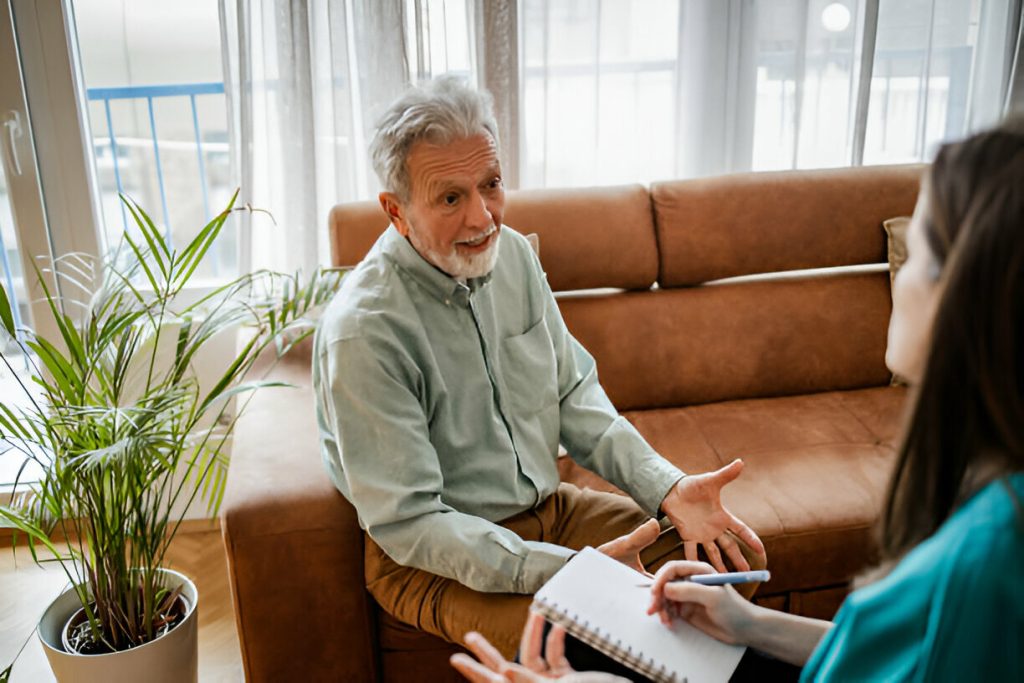
Counseling can play a crucial role in reinforcing relationships and enhancing social support during the recovery period. Family or couples counseling sessions can provide a structured setting for open communication about fears, expectations, and changing roles. Counselors can help families develop strategies for supporting the patient while also maintaining their own emotional health.
For the patient, individual counseling can offer guidance on effectively communicating needs, setting boundaries, and navigating changing relationship dynamics. This support is particularly valuable for patients who may feel guilty about being a “burden” or who struggle to accept help from others. By fostering healthy communication and mutual understanding, counseling contributes to a supportive recovery environment that benefits both the patient and their loved ones.
Furthermore, counseling can help patients address social isolation, a common issue following major surgery. Some individuals may withdraw from social activities due to physical limitations, fatigue, or emotional factors such as low mood or apprehension. Counselors can work with patients to develop strategies for maintaining social connections, exploring new forms of social engagement that align with their current capabilities, and gradually reintegrating into social activities as recovery progresses.

An All-Encompassing Approach to Post-Cardiac Procedure Care
The significance of counseling after cardiac procedures cannot be overstated. As this examination has explored, the psychological and emotional aspects of recovery are intricately linked with physical healing and long-term health outcomes. By providing targeted support for psychological wellness, counseling addresses a critical component of post-operative care that is often overlooked in traditional medical models.
The advantages of counseling for cardiac procedure patients are wide-ranging and profound. From managing low mood and apprehension to enhancing adaptation skills, supporting lifestyle changes, and reinforcing relationships, counseling contributes to a more comprehensive and effective recovery process. By addressing the whole person , mind, body, and spirit , counseling supports not just recovery, but also personal growth and improved quality of life following a major health event.
For individuals seeking support after cardiac procedures, services like Heart and Mind Clinics offer specialized counseling tailored to the unique needs of cardiac patients. These programs combine evidence-based therapeutic approaches with a deep understanding of the specific challenges faced by cardiac procedure patients, providing invaluable support throughout the recovery journey.
As the medical community continues to recognize the interconnectedness of physical and psychological health, integrating counseling into standard post-cardiac procedure care protocols becomes increasingly important. By adopting an all-encompassing approach that addresses both the physical and emotional aspects of recovery, healthcare providers can offer more comprehensive support to patients, ultimately improving outcomes and enhancing overall well-being.
Counseling after cardiac procedures is not merely an optional add-on, but a vital component of comprehensive post-operative care. By supporting psychological wellness, counseling empowers patients to navigate the challenges of recovery, embrace necessary lifestyle changes, and emerge from their cardiac procedure experience with renewed fortitude and a positive outlook on life. Services like Heart and Mind Clinics play a crucial role in providing this essential support, helping patients and their families thrive in the face of significant health challenges.