Top Low-Impact Exercises for Heart Surgery Patients
Top Low-Impact Exercises for Heart Surgery Patients: A Thorough Examination
In the sphere of post-cardiac procedure rehabilitation, the significance of physical activity cannot be overstated. However, the nature and intensity of exercise must be meticulously tailored to the unique needs and limitations of individuals recovering from heart surgery. Low-impact exercises offer a secure and effective means of enhancing cardiovascular fitness, boosting overall well-being, and supporting the recovery process. This comprehensive analysis aims to explore the most advantageous low-impact exercises for heart surgery patients, providing insights into their physiological benefits, implementation strategies, and safety considerations.
The Rationale Behind Low-Impact Exercise in Cardiac Rehabilitation
The concept of low-impact exercise is particularly pertinent to heart surgery patients due to the delicate nature of their recovery process. Low-impact exercises are characterized by movements that place minimal stress on the body, particularly the joints and the cardiovascular system. These exercises allow patients to improve their fitness levels gradually and safely, without risking damage to the sternum or overtaxing the healing heart.

The physiological benefits of low-impact exercise for cardiac patients are numerous:
Improved Cardiovascular Endurance: Gentle, sustained activity helps strengthen the heart muscle and improve its efficiency in pumping blood.
Enhanced Circulation: Low-impact movements promote blood flow throughout the body, aiding in the healing process and reducing the risk of blood clots.
Increased Lung Capacity: Many low-impact exercises encourage deep, rhythmic breathing, which can improve lung function and oxygenation.
Muscle Strengthening: Even gentle exercises can help maintain or rebuild muscle mass, which is crucial for overall recovery and long-term health.
Improved Balance and Coordination: Certain low-impact exercises can enhance proprioception and reduce the risk of falls, a significant concern for recovering patients.
Stress Reduction: Physical activity, even at low intensities, can have profound effects on mental health, reducing stress and improving mood.
Understanding these benefits underscores the importance of incorporating low-impact exercises into cardiac rehabilitation programs. However, it is crucial to note that the timing and progression of exercise should always be guided by healthcare professionals, taking into account individual patient factors and recovery progress.

Walking: The Cornerstone of Cardiac Exercise Programs
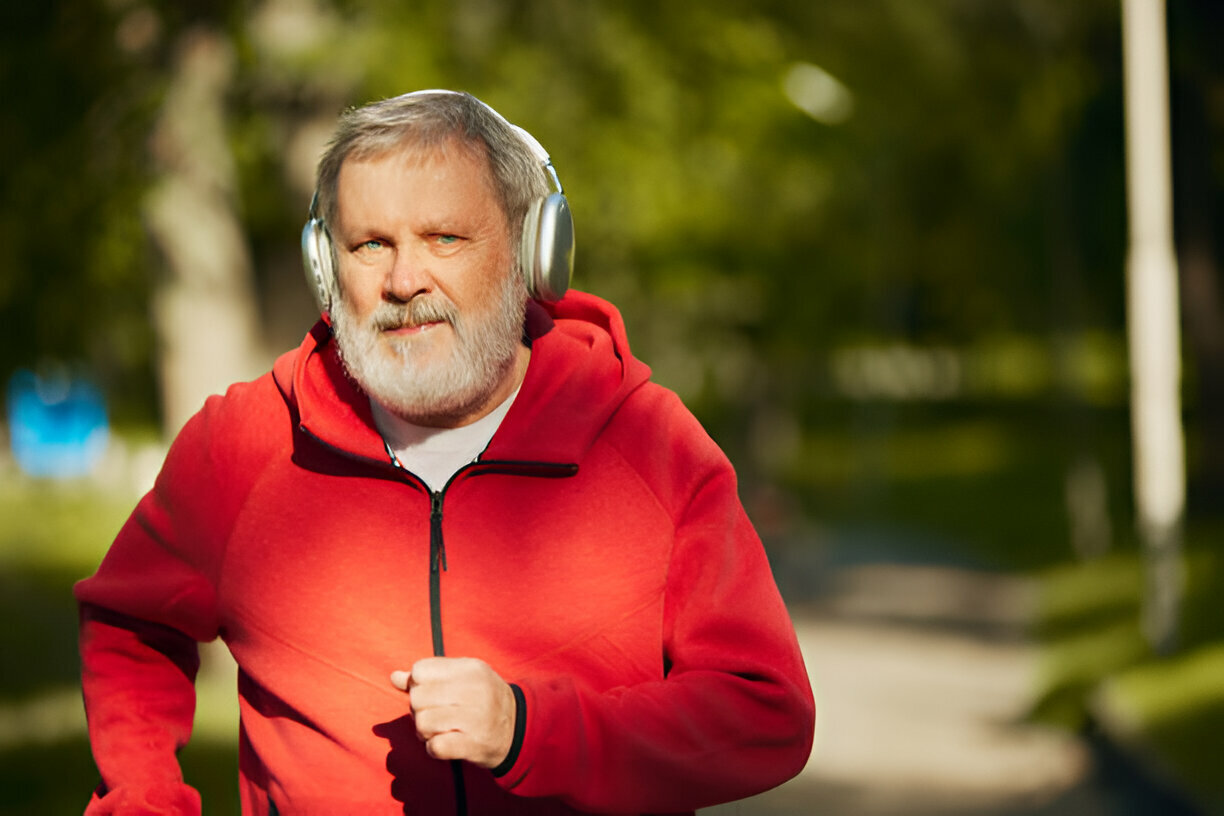
Among the various low-impact exercises available to heart surgery patients, walking stands out as perhaps the most universally recommended and accessible option. Walking offers a natural, low-risk means of improving cardiovascular fitness and can be easily modulated in terms of duration and intensity to match a patient’s evolving capabilities.
The benefits of walking for cardiac patients include:
Gradual Cardiovascular Conditioning: Walking allows for a controlled increase in heart rate and respiration, providing an effective cardiovascular workout without undue strain.
Improved Peripheral Circulation: The rhythmic leg movements during walking promote blood flow in the lower extremities, potentially reducing the risk of deep vein thrombosis.
Enhanced Mood and Cognitive Function: Regular walking has been associated with improvements in mental health and cognitive performance, which can be particularly beneficial during the recovery process.
Increased Energy Expenditure: Walking contributes to overall calorie burn, aiding in weight management, which is often a crucial factor in long-term cardiac health.
Implementation of a walking program typically begins with short, slow walks, often starting while the patient is still in the hospital. As recovery progresses, the duration and pace of walks can be gradually increased under medical supervision. Many cardiac rehabilitation programs use treadmill walking as a controlled environment for exercise, allowing for precise monitoring of speed, incline, and patient response.
It is important to note that patients should be instructed on proper walking technique, including maintaining good posture, taking regular breaths, and using appropriate footwear. Additionally, patients should be educated on monitoring their exertion levels, often using tools like the Borg Rating of Perceived Exertion scale, to ensure they are exercising within safe limits.

Aquatic Exercises: Harnessing the Therapeutic Properties of Water
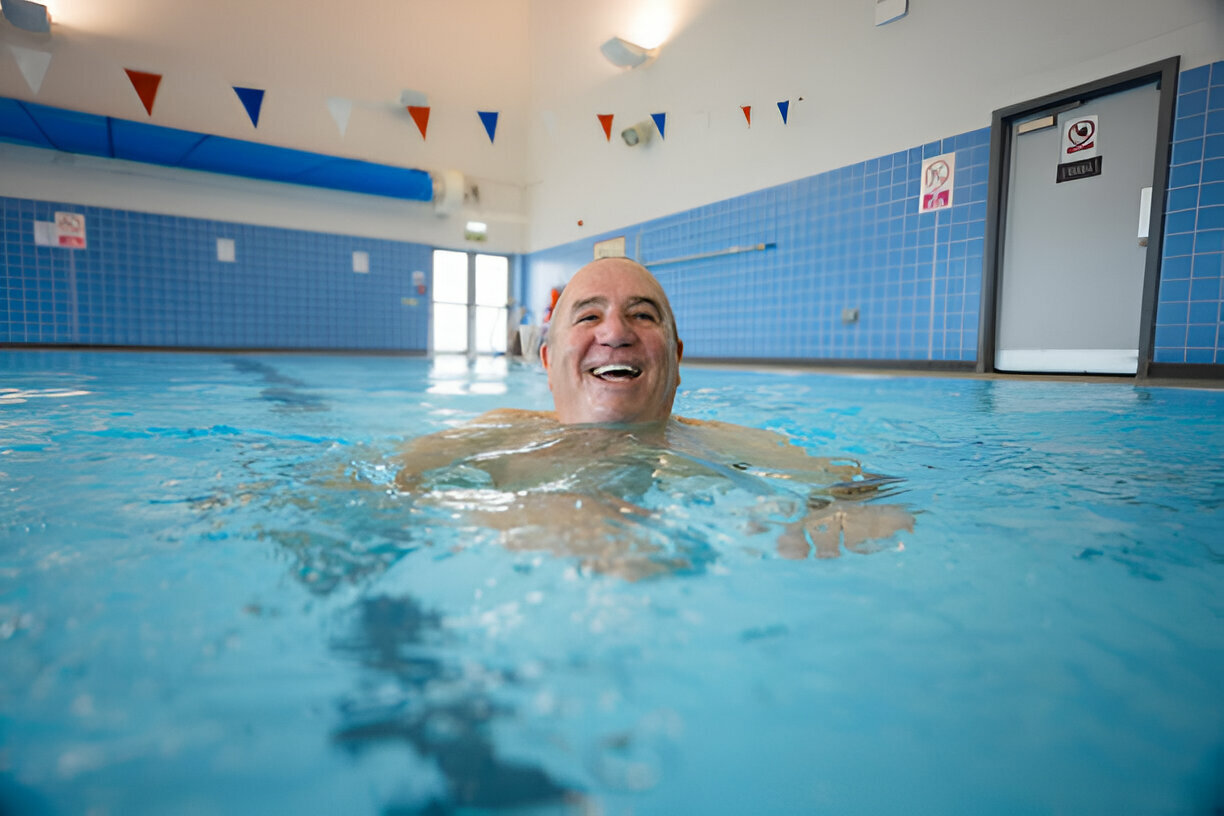
Water-based exercises offer a unique and highly beneficial option for heart surgery patients once their incisions have fully healed and they have received clearance from their healthcare provider. The buoyancy of water provides natural support for the body, reducing the impact on joints and the cardiovascular system while still allowing for effective muscle engagement and cardiovascular conditioning.
Key benefits of aquatic exercises for cardiac patients include:
Reduced Gravitational Stress: The buoyancy of water supports body weight, allowing for movement with minimal stress on the joints and surgical sites.
Increased Peripheral Resistance: The pressure of water on the body can aid in improving circulation and reducing swelling.
Enhanced Muscular Endurance: Water resistance provides a gentle form of strength training for all major muscle groups.
Improved Respiratory Function: The pressure of water on the chest can provide a form of resistance for the respiratory muscles, potentially improving lung capacity over time.
Thermoregulation: The cooling effect of water can help prevent overheating during exercise, which is particularly beneficial for patients who may have temperature regulation issues post-surgery.
Aquatic exercises can take many forms, from simple walking in waist-deep water to more structured aqua aerobics classes designed for cardiac patients. Swimming, when appropriate, offers a full-body, low-impact cardiovascular workout. However, it’s crucial that patients begin with gentle movements and gradually progress under the guidance of a trained professional.
For patients interested in incorporating aquatic exercises into their rehabilitation program, specialized services like Heart And Mind Clinics can provide expert guidance on safe and effective water-based routines tailored to individual needs and recovery stages.
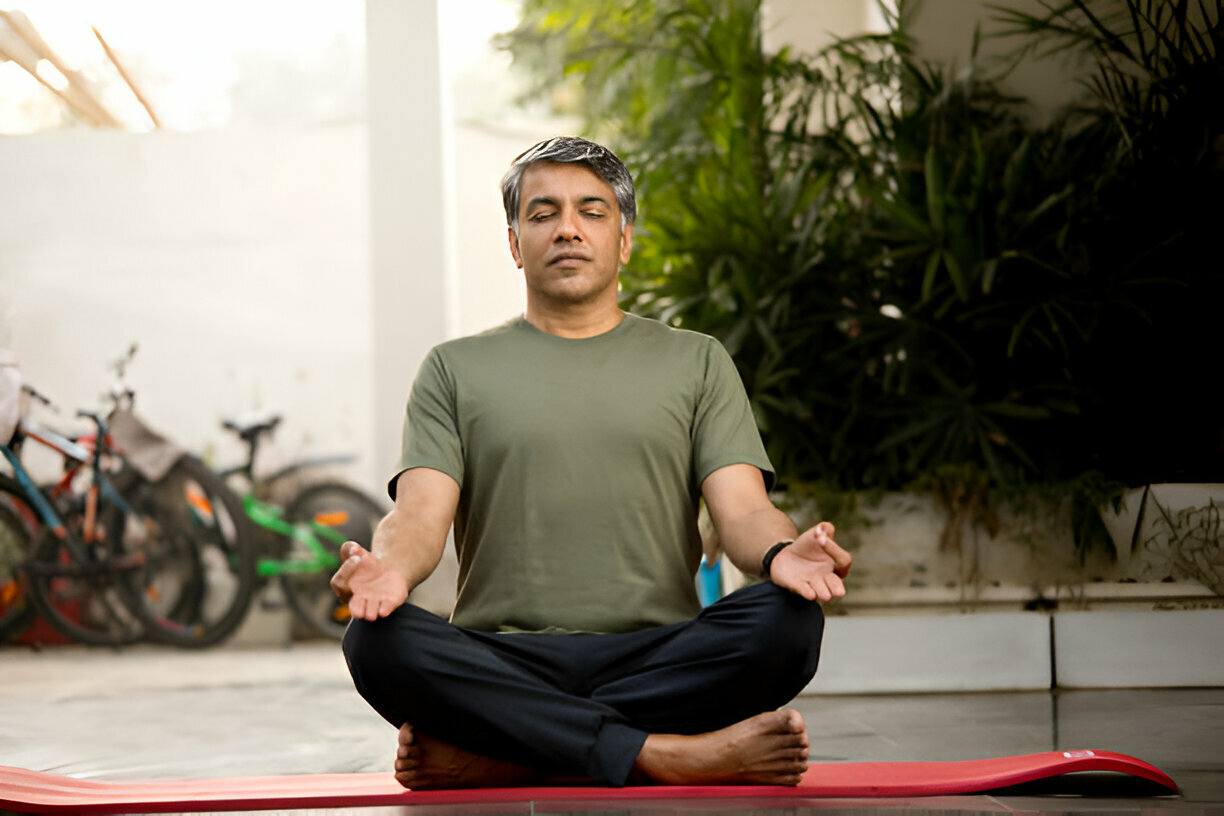
Yoga and Tai Chi: Mindful Movement for Holistic Recovery
The inclusion of mind-body practices such as yoga and tai chi in cardiac rehabilitation programs has gained increasing recognition in recent years. These ancient disciplines offer a unique combination of gentle physical movement, breathing exercises, and mindfulness practices that can be particularly beneficial for heart surgery patients.
The advantages of yoga and tai chi for cardiac recovery include:
Improved Flexibility and Balance: The slow, controlled movements in these practices can enhance flexibility and balance, reducing the risk of falls and improving overall mobility.
Stress Reduction: The meditative aspects of yoga and tai chi can significantly reduce stress and anxiety, which are common among cardiac patients.
Enhanced Body Awareness: These practices promote a deeper connection between mind and body, which can be helpful for patients learning to recognize and respect their physical limitations during recovery.
Improved Breathing Patterns: Both yoga and tai chi emphasize proper breathing techniques, which can enhance lung capacity and improve oxygenation.
Gentle Strengthening: Many poses and movements in these practices provide subtle strength training, particularly for core muscles.
When introducing yoga or tai chi to heart surgery patients, it’s crucial to begin with very gentle, modified practices under the guidance of instructors experienced in working with cardiac patients. Emphasis should be placed on breathing exercises and simple stretches initially, with gradual progression to more complex movements as the patient’s strength and stamina improve.
It’s important to note that certain yoga poses, particularly inversions or those that place pressure on the chest, may be contraindicated for heart surgery patients. Therefore, individualized instruction and careful monitoring are essential.

Stationary Cycling: Controlled Cardiovascular Conditioning
Stationary cycling offers another excellent low-impact exercise option for heart surgery patients. This form of exercise allows for precise control over intensity and duration, making it an ideal choice for gradual cardiovascular conditioning.
The benefits of stationary cycling for cardiac patients include:
Controlled Intensity: The resistance and speed of stationary bikes can be easily adjusted to match the patient’s current fitness level and gradually increased as they progress.
Minimal Impact: Cycling places very little stress on the joints, making it suitable even for patients with orthopedic concerns in addition to their cardiac issues.
Improved Lower Body Strength: Regular cycling can help strengthen the legs and core, which is beneficial for overall mobility and daily activities.
Enhanced Cardiovascular Endurance: The rhythmic nature of cycling provides an effective cardiovascular workout, improving heart and lung function over time.
Convenience and Safety: Stationary bikes can be used in a controlled environment, allowing for close monitoring of the patient’s response to exercise.
When implementing a stationary cycling program, it’s crucial to start with very short sessions at low resistance. Patients should be instructed on proper bike setup to ensure correct posture and minimize strain on the back and shoulders. As with all exercises, progression should be gradual and based on individual tolerance and medical guidance.
For patients looking to incorporate stationary cycling into their rehabilitation program, services like Heart And Mind Clinics can provide personalized advice on appropriate starting points, progression strategies, and how to integrate cycling with other forms of exercise for a well-rounded recovery program.

The incorporation of low-impact exercises into the rehabilitation program of heart surgery patients offers a safe and effective means of improving cardiovascular fitness, enhancing overall well-being, and supporting the recovery process. The exercises discussed , walking, aquatic exercises, yoga and tai chi, and stationary cycling , each offer unique benefits and can be tailored to meet the individual needs and preferences of patients at various stages of recovery.
It is crucial to emphasize that while these exercises are generally considered safe for heart surgery patients, individual circumstances can vary greatly. The initiation and progression of any exercise program should always be done under the guidance of healthcare professionals, with careful consideration of the patient’s specific surgical procedure, recovery progress, and any complicating factors.
The role of specialized services like Heart And Mind Clinics in providing expert guidance and personalized exercise prescriptions cannot be overstated. These professionals can help patients navigate the complexities of post-cardiac surgery exercise, ensuring that they reap the maximum benefits while minimizing risks.
As research in cardiac rehabilitation continues to evolve, we may see further refinements in exercise recommendations for heart surgery patients. However, the fundamental principles of starting slowly, progressing gradually, and maintaining consistency are likely to remain central to effective rehabilitation programs.
Ultimately, the goal of incorporating low-impact exercises into cardiac rehabilitation is not just to improve physical fitness, but to empower patients to take an active role in their recovery and long-term health management. By providing a foundation of safe, effective exercise habits, these programs can help heart surgery patients not only recover from their procedures but also embrace a healthier, more active lifestyle for years to come.