The Role of Physical Activity in Long-Term Heart Health After Surgery
The Role of Long-Term Heart Health After Surgery: A Thorough Examination
In the sphere of cardiovascular care, the significance of physical activity extends far beyond the immediate post-operative period, playing a crucial role in long-term heart health and overall well-being for patients who have undergone cardiac procedures. This exhaustive analysis aims to elucidate the multifaceted benefits of regular exercise in maintaining and improving cardiovascular function, reducing the risk of future cardiac events, and enhancing quality of life for individuals in the years following heart surgery.
The Physiological Underpinnings of Exercise-Induced Cardioprotection
To fully appreciate the role of physical activity in long-term heart health, it is essential to understand the underlying physiological mechanisms through which exercise exerts its beneficial effects on the cardiovascular system. Regular physical activity induces a series of adaptations that collectively contribute to improved cardiac function and reduced cardiovascular risk:
Improved Endothelial Function: Exercise stimulates the release of nitric oxide and other vasoactive substances from the endothelium, enhancing vasodilation and improving blood flow.
Enhanced Myocardial Efficiency: Regular aerobic exercise leads to adaptations in cardiac muscle, improving its ability to utilize oxygen and function more efficiently.
Reduced Systemic Inflammation: Physical activity has been shown to lower markers of inflammation, such as C-reactive protein, which are associated with increased cardiovascular risk.
Improved Lipid Profile: Exercise can increase high-density lipoprotein (HDL) cholesterol while reducing low-density lipoprotein (LDL) cholesterol and triglycerides.
Enhanced Insulin Sensitivity: Regular physical activity improves glucose metabolism and insulin sensitivity, reducing the risk of type 2 diabetes, a significant risk factor for cardiovascular disease.
Autonomic Nervous System Modulation: Exercise training can lead to favorable changes in autonomic balance, potentially reducing the risk of arrhythmias.
These physiological adaptations underscore the importance of incorporating regular physical activity into the long-term care plan for patients who have undergone heart surgery. The cumulative effects of these adaptations contribute to a more resilient cardiovascular system, better equipped to withstand future stressors and maintain optimal function.

Exercise as a Tool for Secondary Prevention
For individuals who have undergone cardiac procedures, physical activity serves as a powerful tool for secondary prevention, reducing the risk of recurrent cardiac events and improving long-term outcomes. Numerous studies have demonstrated the efficacy of exercise-based cardiac rehabilitation programs in reducing mortality and morbidity among patients with established cardiovascular disease.
A meta-analysis published in the Journal of the American College of Cardiology found that participation in exercise-based cardiac rehabilitation was associated with a 20-30% reduction in all-cause and cardiac mortality. Furthermore, regular physical activity has been shown to reduce hospital readmissions, improve functional capacity, and enhance overall quality of life for cardiac patients.
The mechanisms through which exercise contributes to secondary prevention are multifaceted:
Risk Factor Modification: Regular physical activity helps control key cardiovascular risk factors such as hypertension, dyslipidemia, and obesity.
Improved Collateral Circulation: Exercise can stimulate the development of collateral blood vessels, potentially improving blood supply to the heart muscle.
Enhanced Psychological Well-being: Physical activity has been shown to reduce symptoms of depression and anxiety, common comorbidities in cardiac patients that can impact long-term outcomes.
Improved Medication Efficacy: Regular exercise can enhance the effectiveness of certain cardiac medications, such as statins and antihypertensive drugs.
Given these benefits, healthcare providers should emphasize the importance of long-term adherence to physical activity recommendations as a crucial component of post-surgical care and ongoing cardiovascular health management.

Optimizing Exercise Prescription for Long-Term Adherence
While the benefits of physical activity for long-term heart health are clear, ensuring patient adherence to exercise recommendations over an extended period presents significant challenges. Developing an exercise prescription that is both effective and sustainable requires careful consideration of individual patient factors, preferences, and potential barriers to long-term engagement.
Key considerations in optimizing exercise prescription for long-term adherence include:
Individualization: Tailoring exercise recommendations to each patient’s physical capabilities, medical history, and personal preferences.
Gradual Progression: Implementing a progressive approach to exercise intensity and duration to build confidence and reduce the risk of injury or burnout.
Variety: Incorporating a range of activities to maintain interest and target different aspects of fitness (e.g., aerobic exercise, resistance training, flexibility work).
Goal Setting: Establishing realistic, achievable goals that provide motivation and a sense of accomplishment.
Social Support: Encouraging participation in group exercise programs or engaging family members to provide accountability and motivation.
Education: Providing patients with a clear understanding of the benefits of exercise and the specific ways in which it contributes to their long-term heart health.
For patients seeking guidance in developing and maintaining a long-term exercise program, specialized services like Heart And Mind Clinics can provide invaluable support. Their team of experts can offer personalized advice on exercise selection, progression strategies, and techniques for overcoming barriers to regular physical activity.
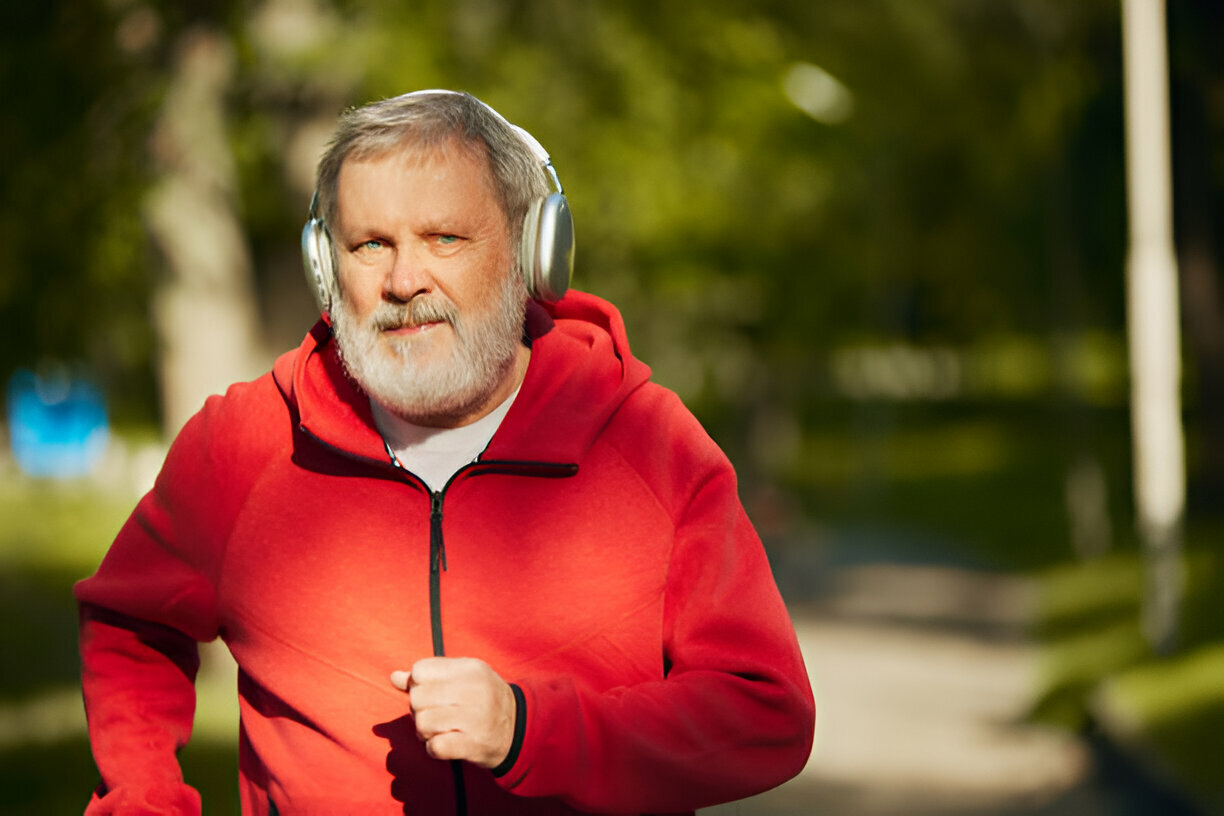
The Interplay Between Physical Activity and Other Lifestyle Factors
While physical activity plays a crucial role in long-term heart health, its effects are optimized when integrated into a comprehensive approach to cardiovascular wellness. The synergistic relationship between exercise and other lifestyle factors underscores the importance of a holistic approach to post-surgical care:
Nutrition: A heart-healthy diet complements the benefits of physical activity, with both factors contributing to improved lipid profiles, better weight management, and reduced inflammation.
Stress Management: Regular exercise can serve as an effective stress reduction technique, while other stress management practices (e.g., meditation, deep breathing) can support overall cardiovascular health.
Sleep Quality: Physical activity can improve sleep quality, which in turn supports cardiovascular health and enhances exercise performance.
Smoking Cessation: For patients who smoke, quitting is crucial for long-term heart health. Physical activity can support smoking cessation efforts by reducing cravings and managing weight gain.
Medication Adherence: Regular exercise can enhance the effectiveness of certain cardiac medications, while proper medication adherence supports safe and effective physical activity.
By addressing these interconnected lifestyle factors, patients can create a comprehensive approach to long-term heart health that maximizes the benefits of their surgical intervention and ongoing medical care.
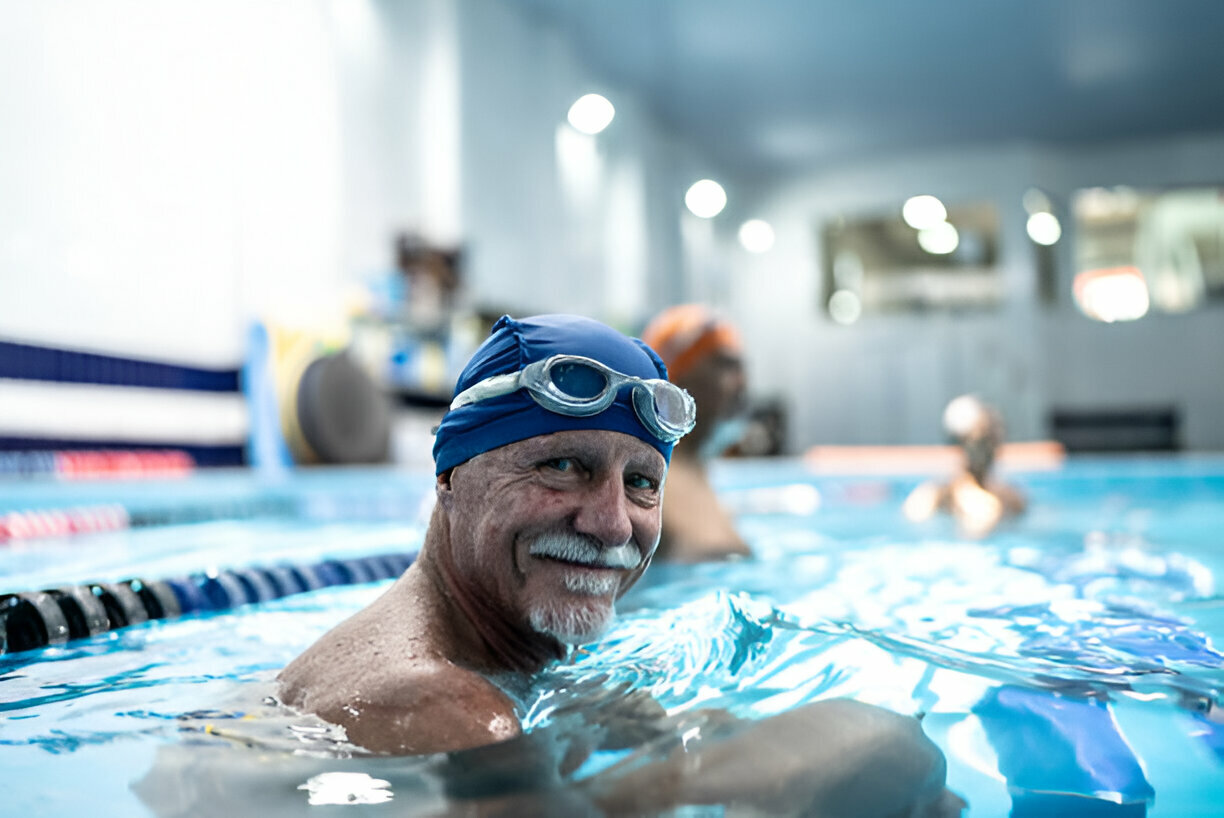
Monitoring and Adapting Physical Activity Over Time
As patients progress through the years following cardiac procedures, their exercise needs and capabilities may evolve. Regular monitoring and adaptation of physical activity recommendations are crucial to ensure ongoing safety and effectiveness:
Periodic Reassessment: Conducting regular evaluations of cardiovascular function, exercise capacity, and overall health status to guide adjustments in exercise prescription.
Addressing Age-Related Changes: Modifying exercise recommendations to account for natural age-related changes in physical capacity and increased risk of comorbidities.
Incorporating New Evidence: Staying abreast of emerging research in exercise physiology and cardiac rehabilitation to refine long-term physical activity recommendations.
Managing Comorbidities: Adapting exercise programs to address the development of new health conditions or changes in existing comorbidities.
Leveraging Technology: Utilizing wearable devices and mobile applications to track physical activity, monitor physiological responses, and provide motivation for long-term adherence.
Healthcare providers play a crucial role in this ongoing process, providing guidance, support, and necessary interventions to ensure that patients can safely and effectively maintain their physical activity regimens over the long term.

The role of physical activity in long-term heart health after surgery cannot be overstated. Regular exercise serves as a powerful tool for secondary prevention, enhancing cardiovascular function, reducing the risk of future cardiac events, and improving overall quality of life. The physiological adaptations induced by consistent physical activity contribute to a more resilient cardiovascular system, better equipped to maintain optimal function in the years following cardiac procedures.
The challenge lies in translating the wealth of evidence supporting the benefits of exercise into sustainable, long-term behavior change for patients. This requires a nuanced approach that considers individual patient factors, addresses potential barriers to adherence, and integrates physical activity into a comprehensive lifestyle management strategy.
Services like Heart And Mind Clinics play a vital role in supporting patients through this lifelong journey of cardiovascular health maintenance. By providing expert guidance, personalized exercise prescriptions, and ongoing support, these specialized services can help bridge the gap between short-term rehabilitation and long-term health management.
As research in exercise physiology and cardiac rehabilitation continues to evolve, our understanding of the optimal approaches to long-term physical activity for cardiac patients may be further refined. Healthcare providers and patients alike should remain open to new evidence and be willing to adapt exercise strategies accordingly.
Ultimately, the success of physical activity as a tool for long-term heart health lies not just in its physiological benefits, but in its ability to empower patients to take an active role in their ongoing cardiovascular care. By fostering a lifelong commitment to regular exercise, healthcare providers can help heart surgery patients not only maintain the benefits of their surgical interventions but also continue to improve their cardiovascular health and overall well-being for years to come.
The journey to optimal heart health after cardiac procedures is ongoing, with physical activity serving as a cornerstone of long-term care. Through consistent effort, expert guidance, and a commitment to holistic health management, patients can harness the power of exercise to support their cardiovascular function, enhance their quality of life, and reduce their risk of future cardiac events. As we continue to advance our understanding of the complex interplay between physical activity and cardiovascular health, the role of exercise in post-surgical care will undoubtedly remain a critical focus of both clinical practice and ongoing research.