Tips for Staying Motivated to Exercise After Heart Surgery
Exercise After Heart Surgery: A Thorough Examination
The path of recovery following cardiac procedures is a complex and often daunting process, with exercise playing a pivotal role in rehabilitation and long-term cardiovascular well-being. While the physical advantages of exercise are well-documented, sustaining motivation to engage in regular physical activity can be a significant hurdle for many patients. This exhaustive analysis aims to explore effective strategies for maintaining exercise motivation in the post-cardiac surgery period, providing insights into psychological factors, practical techniques, and support systems that can contribute to long-term adherence to exercise regimens.
Understanding the Psychological Obstacles to Exercise Adherence
To effectively address the challenge of maintaining exercise motivation, it is crucial to first understand the psychological obstacles that often impede consistent physical activity following heart surgery. These obstacles can be multifaceted and may include:
Fear and Anxiety: Many patients experience apprehension about engaging in physical activity due to concerns about potential complications or re-injury.
Depression: The emotional impact of undergoing cardiac surgery can lead to depressive symptoms, which may diminish motivation for exercise.
Lack of Self-Efficacy: Patients may doubt their ability to perform exercises effectively or safely, leading to avoidance behavior.
Disrupted Routines: The recovery process often necessitates significant lifestyle changes, making it challenging to establish new exercise habits.
Fatigue and Physical Discomfort: Persistent fatigue or discomfort during the recovery period can diminish enthusiasm for physical activity.
Recognizing these psychological obstacles is the first step in developing effective strategies to overcome them. Healthcare providers and rehabilitation specialists play a crucial role in addressing these concerns through education, support, and tailored interventions.

The Role of Goal Setting in Exercise Motivation
One of the most effective tools for maintaining exercise motivation is the establishment of clear, realistic, and personally meaningful goals. The process of goal setting in the context of post-cardiac surgery rehabilitation should be approached with careful consideration:
Specificity: Goals should be clearly defined and measurable. For example, rather than a vague aim to “exercise more,” a specific goal might be to “walk for 20 minutes, three times per week.”
Achievability: It is crucial to set goals that are challenging yet attainable, taking into account the patient’s current physical condition and recovery progress.
Relevance: Goals should align with the patient’s personal values and long-term health objectives, enhancing their motivational impact.
Time-Bound: Establishing timeframes for achieving goals provides structure and facilitates progress tracking.
Flexibility: Goals should be adaptable to accommodate changes in physical condition, recovery rate, or unforeseen circumstances.
The process of goal setting should ideally be collaborative, involving input from both the patient and healthcare providers. This collaborative approach ensures that goals are medically appropriate while also reflecting the patient’s personal aspirations and preferences.
For comprehensive support in developing and refining exercise goals, patients can turn to specialized services like Heart And Mind Clinics. Their team of experts can provide personalized guidance in setting realistic and motivating goals tailored to each individual’s unique circumstances and recovery trajectory.
Leveraging Progress Tracking and Feedback Mechanisms
The ability to observe and quantify progress serves as a powerful motivator for continued exercise adherence. Implementing effective progress tracking and feedback mechanisms can significantly enhance motivation by providing tangible evidence of improvement and achievement. Several strategies can be employed:
Exercise Logs: Maintaining detailed records of exercise sessions, including type, duration, and intensity of activities, can provide a clear picture of progress over time.
Physiological Measurements: Tracking relevant health markers such as resting heart rate, blood pressure, or exercise capacity can demonstrate the physical benefits of consistent activity.
Wearable Technology: Utilizing fitness trackers or smartphone apps can provide real-time feedback on activity levels, heart rate, and other relevant metrics.
Regular Assessments: Scheduled evaluations with healthcare providers or rehabilitation specialists can offer professional insights into progress and areas for improvement.
Visual Representations: Creating charts or graphs to visually represent progress can be particularly motivating for some individuals.
It is important to emphasize that progress may not always be linear, and patients should be educated on the normal fluctuations in recovery and fitness improvement. Celebrating small victories and recognizing effort, rather than focusing solely on outcome measures, can help maintain motivation during plateaus or temporary setbacks.

The Power of Social Support and Community Engagement
The role of social support in maintaining exercise motivation cannot be overstated. Engaging with a supportive community can provide encouragement, accountability, and a sense of shared experience that can significantly enhance adherence to exercise regimens. Several avenues for fostering social support include:
Group Exercise Classes: Participating in structured group sessions designed for cardiac rehabilitation patients can provide both social interaction and expert guidance.
Peer Support Groups: Connecting with other individuals who have undergone similar surgeries can offer emotional support and practical advice.
Family Involvement: Educating and involving family members in the exercise process can create a supportive home environment and shared health goals.
Online Communities: Engaging with virtual support groups or forums can provide a sense of community, particularly for those with limited access to in-person resources.
Exercise Buddies: Pairing up with a friend or fellow patient for regular exercise sessions can enhance accountability and enjoyment.
Healthcare providers can play a crucial role in facilitating these social connections by recommending appropriate support groups or rehabilitation programs. Services like Heart And Mind Clinics often offer community-based initiatives or can provide referrals to local support networks, helping patients build a robust support system for their exercise journey.

Tailoring Exercise Programs for Enjoyment and Variety
Maintaining long-term motivation for exercise often hinges on finding activities that are not only beneficial but also enjoyable and engaging. Tailoring exercise programs to individual preferences and introducing variety can significantly enhance adherence:
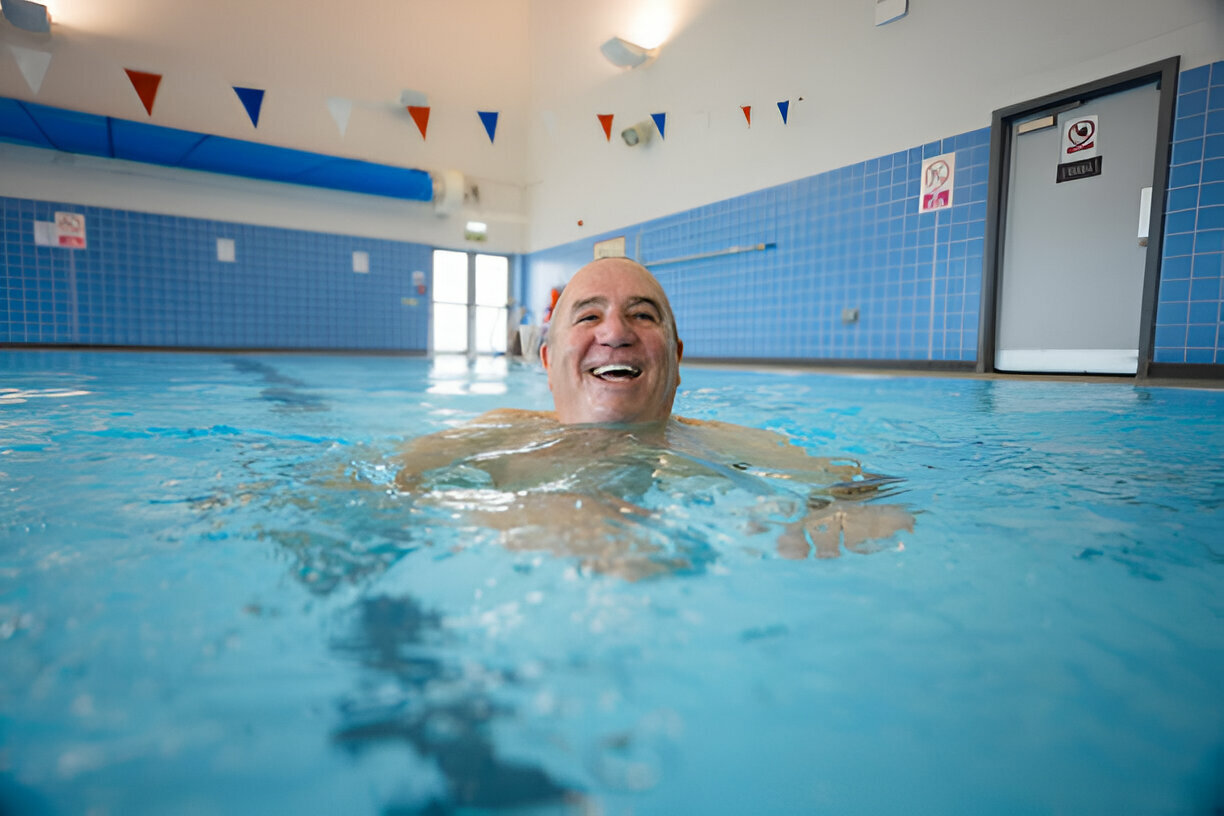
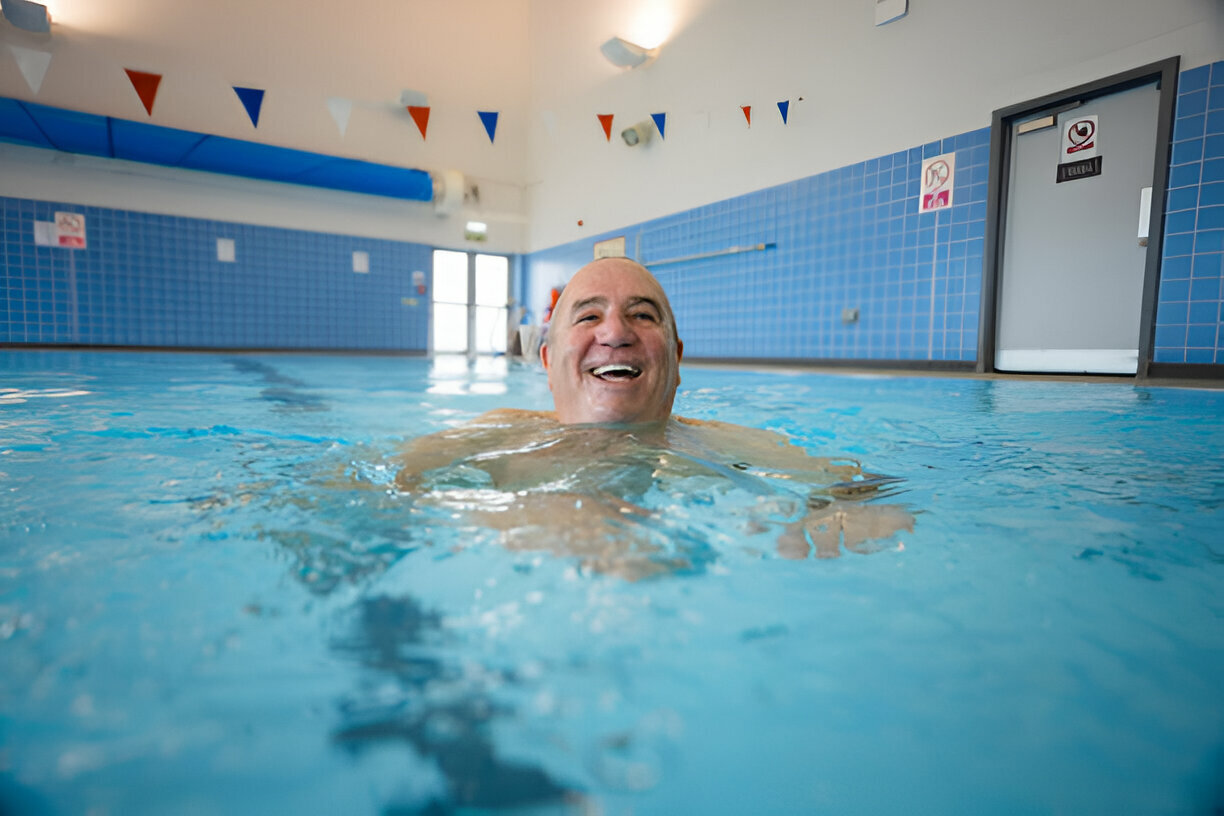
Exploring Different Modalities: Introducing a range of exercise types, such as walking, swimming, cycling, or low-impact aerobics, allows patients to discover activities they find most enjoyable.
Incorporating Enjoyable Elements: Listening to music, audiobooks, or podcasts during exercise can make sessions more engaging and enjoyable.
Outdoor Activities: When medically appropriate, engaging in outdoor exercises can provide added benefits of fresh air and changing scenery.
Mind-Body Practices: Incorporating elements of yoga, tai chi, or meditation can add a mindfulness component that some patients find particularly rewarding.
Gradual Progression: Systematically increasing the challenge or complexity of exercises can provide a sense of accomplishment and prevent boredom.
It is crucial that any new activities or progressions are introduced under medical supervision to ensure safety and appropriateness for the individual’s recovery stage. Healthcare providers should work closely with patients to identify activities that align with both their medical needs and personal interests.

Long-Term Strategies for Sustaining Motivation
As patients progress through their recovery and rehabilitation, strategies for maintaining exercise motivation may need to evolve. Several approaches can support long-term adherence:
Reframing Exercise as Self-Care: Encouraging patients to view exercise as a form of self-care rather than a medical obligation can shift perspective and enhance intrinsic motivation.
Continuous Education: Providing ongoing information about the benefits of exercise and its role in preventing future cardiac events can reinforce the importance of continued activity.
Adaptive Goal Setting: Regularly reassessing and adjusting exercise goals to align with changing health status and life circumstances can maintain relevance and motivation.
Celebrating Milestones: Acknowledging and celebrating significant achievements, such as reaching a certain exercise duration or returning to a beloved activity, can reinforce positive behavior.
Addressing Setbacks Constructively: Teaching patients to view setbacks as learning opportunities rather than failures can foster resilience and sustained motivation.
Integrating Exercise into Daily Life: Encouraging the incorporation of physical activity into daily routines, such as active commuting or regular household tasks, can make exercise feel less burdensome.
Healthcare providers play a crucial role in supporting these long-term strategies, offering ongoing guidance, encouragement, and adjustments to exercise prescriptions as needed. Regular follow-up appointments and assessments can provide opportunities to address emerging challenges and reinforce the importance of continued physical activity.

Maintaining motivation to exercise after heart surgery is a complex but crucial aspect of long-term cardiovascular health and overall well-being. By understanding and addressing psychological barriers, implementing effective goal-setting strategies, leveraging progress tracking and social support, and tailoring exercise programs for enjoyment, patients can develop a sustainable approach to physical activity that extends well beyond the initial recovery period.
The journey to consistent exercise adherence is inherently personal and often requires ongoing adjustment and support. Services like Heart And Mind Clinics play an invaluable role in this process, offering expert guidance, personalized strategies, and access to supportive communities that can significantly enhance patients’ ability to stay motivated and engaged in their exercise regimens.
As research in behavioral psychology and exercise science continues to evolve, we may see further refinements in our understanding of motivation and adherence in the context of cardiac rehabilitation. These developments hold the promise of even more effective strategies for supporting patients in their long-term exercise journeys.
Ultimately, the goal of fostering exercise motivation after heart surgery extends beyond mere physical health benefits. By empowering patients to take an active role in their recovery and ongoing health management, consistent physical activity can contribute to improved quality of life, enhanced self-efficacy, and a renewed sense of control over one’s health destiny. Through a combination of personalized strategies, ongoing support, and a commitment to holistic well-being, patients can transform the challenge of post-surgery exercise into a rewarding and integral part of their lives, paving the way for a healthier, more active future.